Aromatherapy
Aromatherapy uses plant essential oils by inhalation or in a diluted form on the skin. Not every product with a pleasant scent counts as aromatherapy.
In an esthetic studio, essential oils may scent the room or be added to massage oil. Some people enjoy the aroma, while others find it irritating. Plant-derived oils can still cause a skin reaction.
What aromatherapy means
The word combines aroma, meaning scent, with therapy. Aromatherapy centers on essential oils taken from fragrant plant material such as flowers, leaves, wood, and citrus peel.
The modern name became widely known after French chemist René-Maurice Gattefossé published a book on the subject in 1937. Today, the term covers two main routes: breathing in the aroma and applying a diluted product to the skin.
Essential oils and fragrance oils
An essential oil is a concentrated aromatic substance obtained from a plant. Distillation is common, while citrus peel oils may be pressed out. Essential oils are strongly scented even in small amounts and aren’t the same thing as cooking oils.
A fragrance oil may blend aromatic materials to create a particular scent. A product isn’t an essential oil simply because it smells botanical. Read the ingredient list and directions instead of relying on the scent name alone.
Natural and plant-based don’t automatically mean safe. The U.S. Food and Drug Administration notes that plant ingredients can still irritate skin or trigger an allergic reaction.
Inhalation and diluted skin use
Essential oils are commonly used in two ways.
- Inhalation: A diffuser or another scenting method releases aroma into the room. If the scent brings on discomfort, headache, or nausea, lower the exposure or stop using it.
- Skin application: An essential oil is diluted into a carrier oil or a finished product before it touches the skin. Don’t apply it neat, and follow the product directions for concentration and body area.
A carrier oil is the base used to dilute an essential oil. No carrier oil is universally gentle. Check the full product, since the essential oil, base oil, and other ingredients can all matter to your skin.
Aromatherapy massage
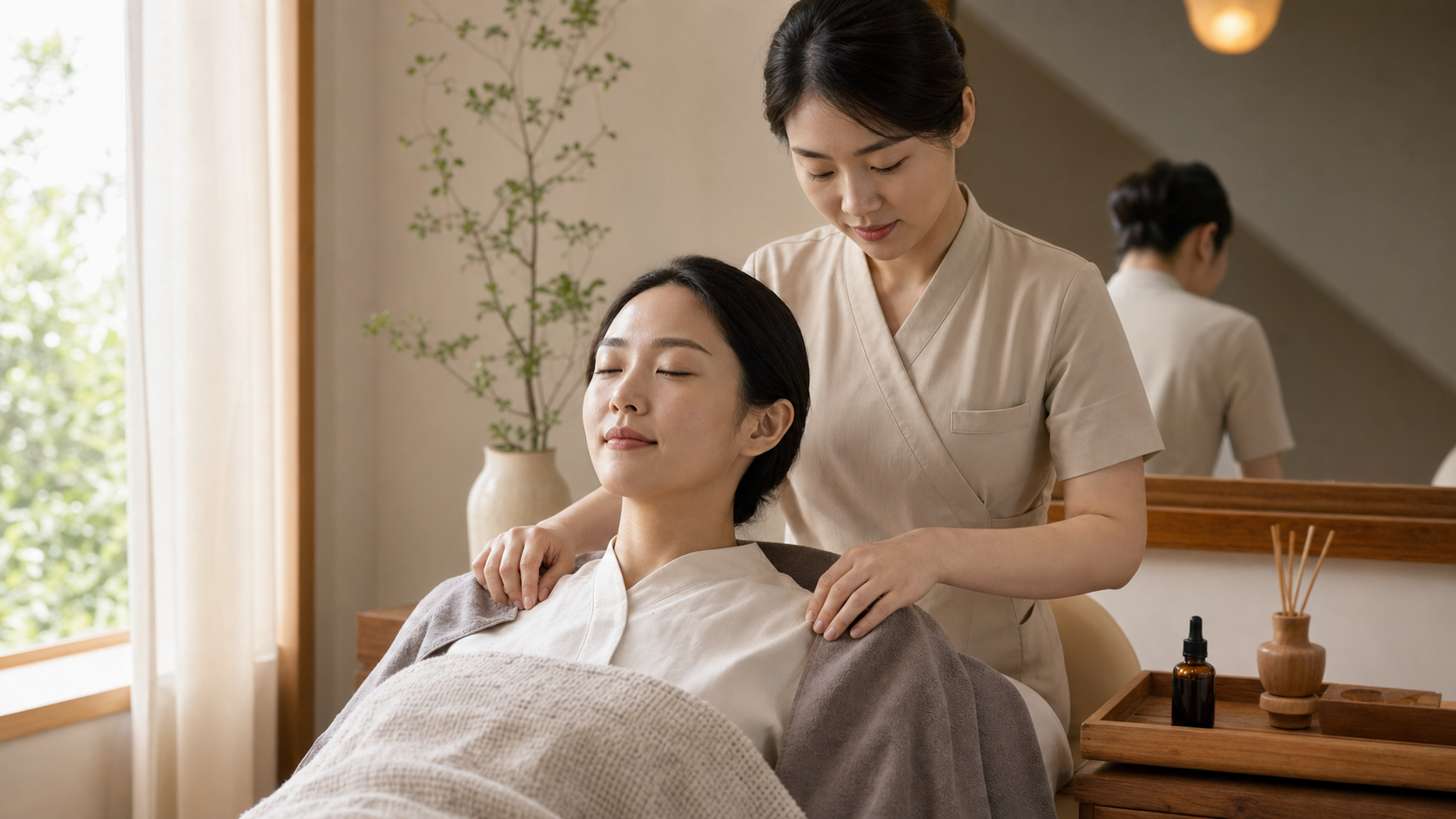
Aromatherapy massage adds diluted essential oil to hands-on massage. You breathe in the scent while the practitioner works with the massage oil.
The aroma doesn’t automatically make the massage more effective. Evidence also isn’t strong enough to make broad promises about sleep, pain, or immune function. In esthetic care, the practical focus is your scent preference, skin response, and comfort during the session.
Irritation and allergic contact dermatitis
A highly concentrated essential oil can irritate skin on contact. Stinging, burning, and redness may start quickly. Dilution can lower the chance of irritation, but it doesn’t prevent every reaction.
Allergic contact dermatitis is different. It develops after your immune system becomes sensitive to an ingredient. Itching, redness, and scaling may appear hours or days after exposure, and the rash can spread beyond the exact contact area.
If a product stings, burns, itches, or leaves redness, stop using it and wash off what remains. Get medical advice if the reaction persists or spreads. If you’ve reacted to fragrance or essential oils before, ask what product and ingredients a studio plans to use before your session begins.
The limits of aromatherapy
Aromatherapy is a complementary practice built around scent. It doesn’t diagnose or treat a condition, and it shouldn’t replace medical care. Essential oils used in an esthetic session also aren’t meant to be swallowed.
Related guide
Related terms
- Essential oil: A concentrated aromatic substance obtained from plant material.
- Carrier oil: The base oil used to dilute an essential oil for skin application.
- Manual massage: Hands-on care that presses and moves the skin and soft tissue. Some sessions use a diluted essential oil blend.
Frequently asked questions
Is every scented oil an essential oil? No. Some products are fragrance oils made to reproduce a scent. Check the ingredients, extraction information, and directions for use.
Can I apply an essential oil directly to my skin? Don’t apply it neat. Use a skin product diluted as directed, and don’t put it on broken skin.
Does dilution prevent an allergic reaction? No. Dilution can reduce irritation, but it can’t rule out allergy. Stop using the product if you notice stinging, itching, or redness, and wash off what remains.