Babon Care
Babon care is a Korean esthetic program name for care around firmness or tightness noticed after liposuction. Babon is a shortened form of the Korean industry term biobond.
It isn’t a standardized term used in medical textbooks or plastic-surgery guidance. Timing, methods, and devices can vary from one studio to another, so the program name doesn’t tell you exactly what will happen.
Meaning and scope
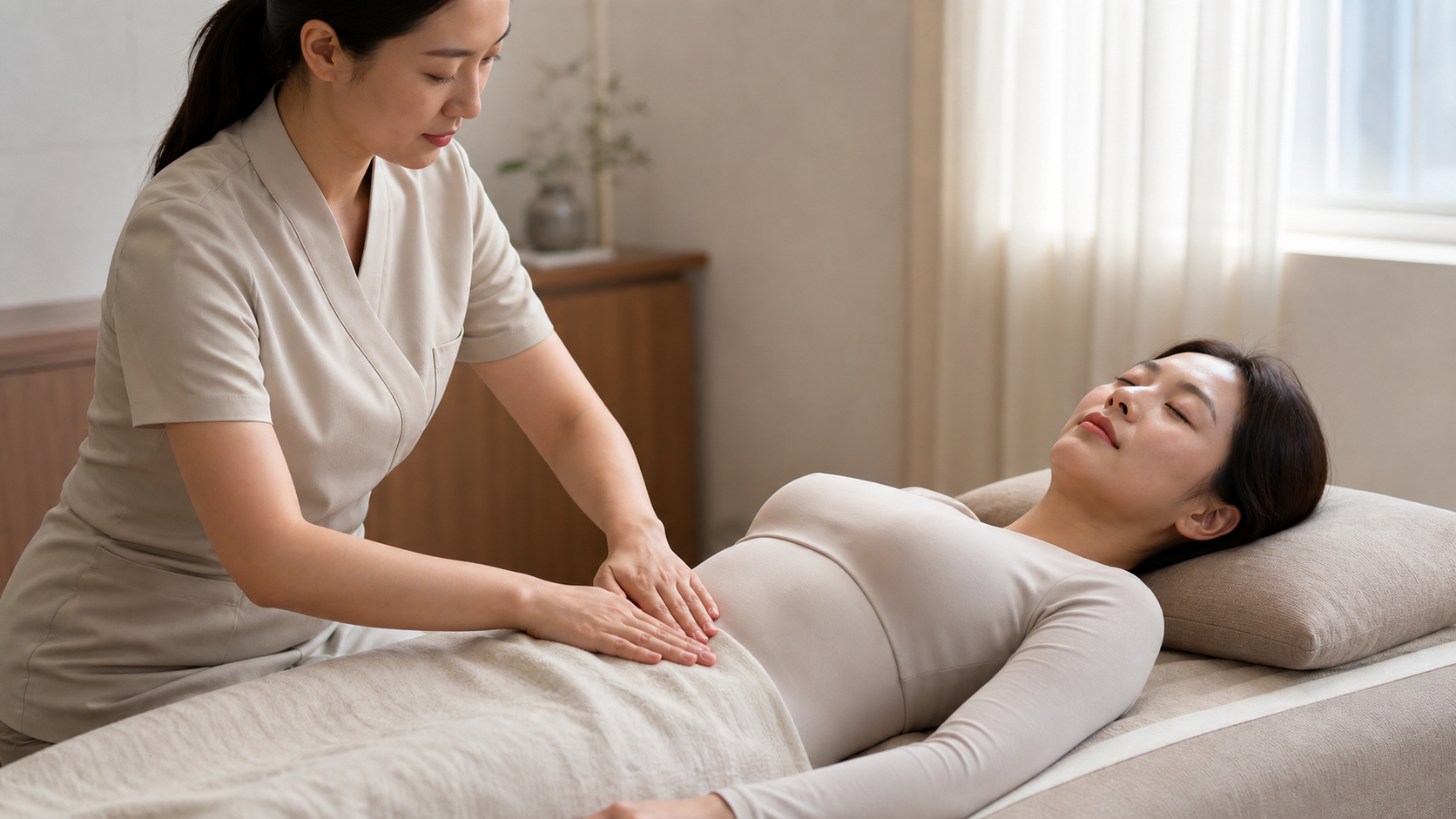
Babon care sits within the broad category of postsurgical esthetic care. A program may include light hands-on contact, skin moisturizing, or a device, but there is no single protocol attached to the name. In this glossary, it means nonmedical care considered only after the surgical team has said esthetic care is appropriate.
Swelling, bruising, changes in sensation, and an uneven surface can all appear during liposuction recovery. The pattern depends on the procedure and stage of healing. Firmness under the hands doesn’t diagnose adhesion or fibrosis.
Recovery and timing
A fresh surgical site needs protection from excessive force, rubbing, and movement. The safe time for hands-on contact depends on the procedure, area treated, and condition of the wound. Follow the instructions from the medical team responsible for the surgery rather than a standard timeline found online.
The same applies to compression garments, wound care, and returning to exercise. Esthetic care doesn’t replace follow-up appointments or postsurgical instructions.
Details to check at an esthetic studio
Look past the Babon label and ask what the program actually includes.
- Has your surgical team cleared you for esthetic care?
- Has the wound closed, and is the skin stable?
- Will the practitioner use hands, a device, or both, and how will pressure be adjusted?
- Will the session stop at the first sign of pain or an unusual reaction?
Care should stay comfortable. There is no basis for assuming that painful pressure makes firm tissue heal faster.
Changes that need medical attention first
Skip esthetic care if you have severe pain, rapidly increasing swelling, redness and warmth, wound discharge, shortness of breath, or chest pain. Contact the surgical team or another medical service first.
Related terms
- Biobond: A Korean industry term for an area that feels firm or looks uneven after liposuction.
- Adhesion: A medical state in which surfaces that should remain separate stick together. It isn’t the same as firmness felt by hand.
- Manual massage: A broad form of care in which pressure and movement are adjusted by hand.
Frequently asked questions
Is Babon care a standardized postsurgical protocol? No. It’s a Korean esthetic program name, and the contents vary by studio.
Does stronger pressure soften a firm area faster? That can’t be assumed. Excessive pressure can burden healing tissue, so medical instructions and comfortable contact come first.
Can Babon care treat adhesion or fibrosis? No. An esthetic studio doesn’t diagnose or treat adhesion or fibrosis.
This glossary entry is for general information. Experiences vary, and esthetic care isn’t intended to prevent or treat a condition.