Décolletage
The décolletage is the exposed area that runs from the lower neck across the collarbones to the upper chest. Some beauty services include the shoulders too, so its border isn’t fixed like an anatomical region.
In Korean esthetics, the borrowed term is usually shortened to decollete. It names a body area, not a dermatology procedure.
Meaning and boundaries
French dictionaries define décolleté as a low neckline and the upper chest, neck, or shoulders that it leaves bare. English beauty writing often uses the noun décolletage for the visible skin in that area.
In Korean esthetic menus, it commonly connects these areas:
- the front and sides of the neck
- the skin around both collarbones
- the front of the shoulders
- the upper chest
A provider may also include the back of the neck or more of the shoulders. Check the actual service description instead of relying on the name alone.
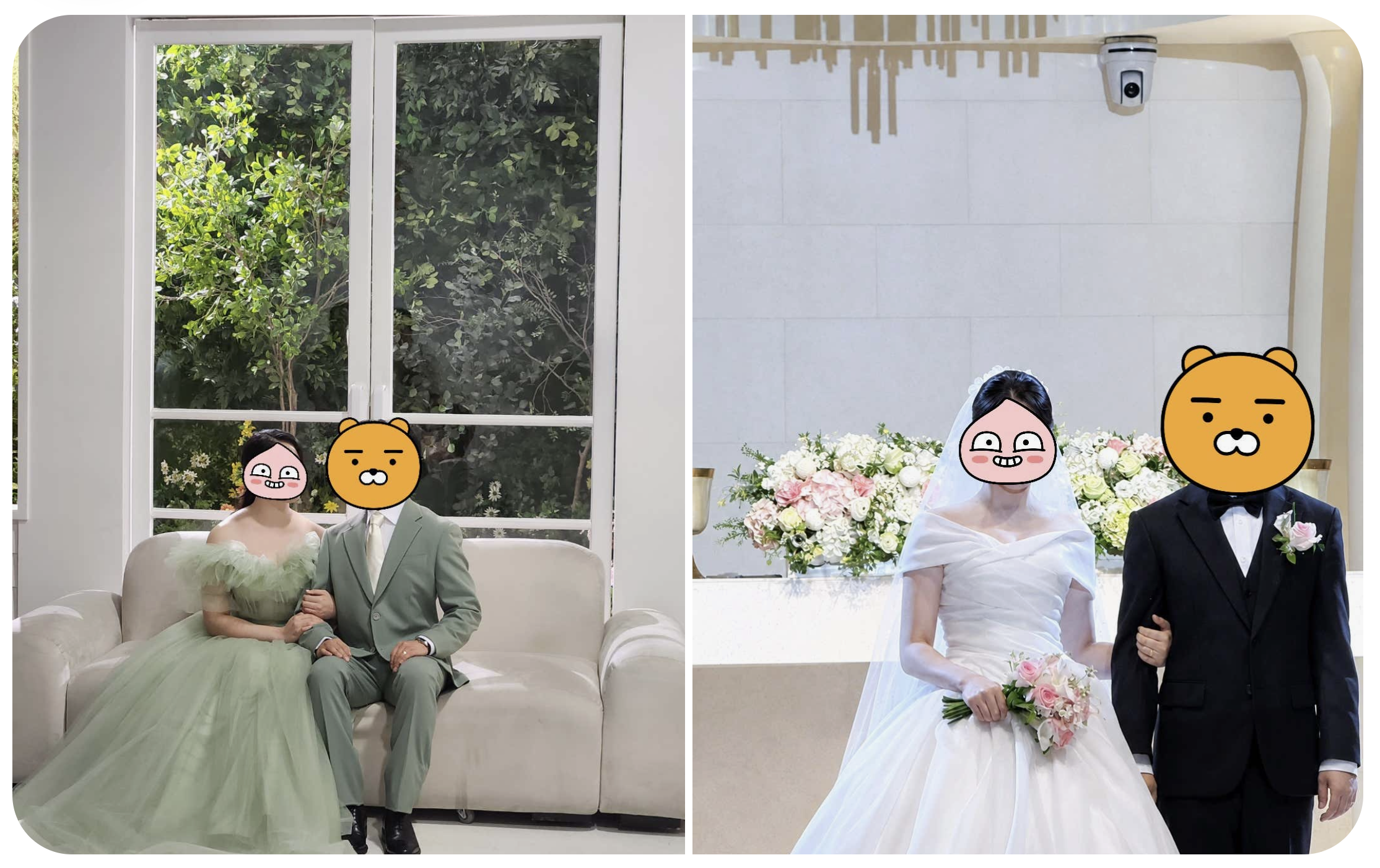
Place in facial care
The décolletage sits directly below the face and may stay exposed depending on the neckline of your clothes. It’s easy to stop skin care at the jaw and miss the neck and upper chest.
An esthetic facial may extend product application or gentle hands-on work to the neck and collarbone area. That doesn’t mean décolletage care reshapes the face or treats a skin condition.
Sun exposure and visible change
The American Academy of Dermatology recommends sun protection for all skin that clothing doesn’t cover. That includes the neck and upper chest. Repeated UV exposure can contribute to signs of premature skin aging such as wrinkles and age spots.
There isn’t a good basis for claiming that the décolletage always ages faster than the face. It simply receives sun when a neckline leaves it bare, and people often forget to extend sunscreen below the jaw.
Everyday care and precautions
- Sun protection: Cover the neck and upper chest when they’re exposed outdoors.
- Moisturizer: If your regular face moisturizer suits your skin, you can gently extend it below the jaw.
- Low irritation: Don’t scrub until the skin turns red or stings.
- Skin changes: Ask a dermatologist to check a changing spot or a sore that doesn’t heal.
Patch test a new product on a small area first. Stop using it if the skin becomes irritated.
Related guides and client stories
- Massage in Incheon for Tight Shoulders: What to Know Before Booking
- Incheon Wedding Care Review: Skin and Shoulder Care in One Place
Related terms
- Face sculpting: Hands-on facial care that may extend to the neck and décolletage.
- Lymph massage: Hands-on care that uses light pressure and directed movements.
- Skin barrier: The outer skin function that limits water loss and helps keep irritants out.
- Skin elasticity: The skin’s ability to return toward its original shape after stretching.
Frequently asked questions
Where is the décolletage? In beauty care, it usually runs from the lower neck across the collarbones to the upper chest. A service may include the shoulders as well.
Are décolletage and décolleté the same word? They share the same French root. In English beauty writing, décolletage is the common noun for the skin area, while décolleté more often describes a low neckline or the exposed upper body.
Do I need a separate product for this area? Not necessarily. Start by extending a sunscreen and moisturizer that already suit your skin down the neck and upper chest.
This entry is for general information. Skin needs vary, and esthetic care isn’t intended to prevent or treat disease.