Skin Barrier
The skin barrier is the function of the outermost skin layer that limits water loss from the body and the entry of substances from outside. Flattened corneocytes and layers of lipids between them work together in the stratum corneum.
The skin barrier isn’t a skin type you can diagnose by sight. Dryness or stinging alone doesn’t prove that the barrier is damaged. Esthetic care stays within a simpler scope: watching how the skin responds and avoiding unnecessary irritation.
Structure of the stratum corneum
The stratum corneum is the outermost part of the epidermis. Mature corneocytes sit in layers, surrounded by a lipid matrix made mainly of ceramides, cholesterol, and free fatty acids. The familiar bricks-and-mortar model describes this arrangement, with corneocytes as the bricks and lipids as the mortar.
The stratum corneum and the skin barrier aren’t exact synonyms. One is an anatomical layer. The other describes several jobs performed by that layer. In beauty care, skin barrier usually refers to the permeability barrier that controls the movement of water and other substances.
Water loss and outside substances
Water naturally moves through the stratum corneum and evaporates. This process is called transepidermal water loss, or TEWL. Researchers measure its rate when studying barrier function, but one TEWL reading doesn’t describe the skin’s entire condition. Body site and testing conditions affect the result.
The barrier also limits how easily outside substances pass into the skin. It isn’t an impenetrable shield. The substance, contact time, friction, and current skin condition all affect the response.
Dryness and barrier damage
Dry, rough skin or a product that stings doesn’t always mean the barrier has collapsed. Weather, cleansing habits, friction, products, and skin conditions can create similar complaints.
Cracking, oozing, severe itching, or symptoms that persist need a dermatologist’s attention. Atopic dermatitis and contact dermatitis aren’t conditions for an esthetician to diagnose or treat.
Scope of esthetic care
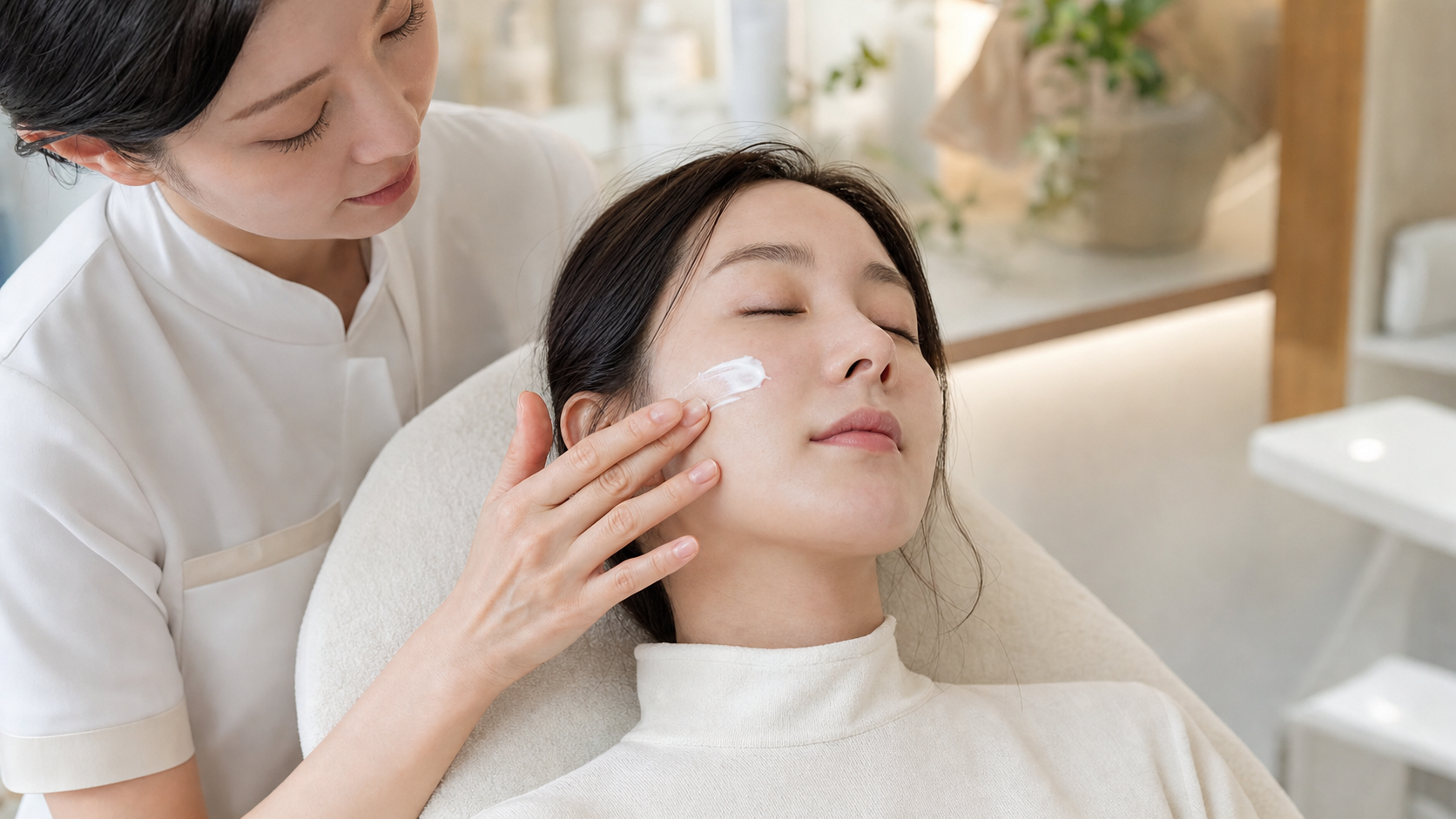
Esthetic care shouldn’t promise to rebuild or regenerate the skin barrier. Instead, the practitioner adjusts the session to reduce avoidable irritation.
- Harsh friction and frequent exfoliation are avoided.
- Product type and amount are adjusted to the skin’s response.
- Moisturizers can help the stratum corneum hold water when skin feels dry.
- Pressure and frequency are lowered when manual massage is included.
Skin may feel less tight and softer after moisturizing. That’s a change in surface hydration and feel, not proof that an esthetic session treated the barrier’s structure.
Related terms
- Stratum corneum: The outermost epidermal layer, made of corneocytes and lipids between the cells.
- Ceramide: One of the major lipid classes in the stratum corneum. Cholesterol and free fatty acids also matter.
- Transepidermal water loss (TEWL): The rate at which water moves through the skin and evaporates from its surface.
- Sensitive skin: Skin that develops unpleasant sensations in response to stimuli that normally shouldn’t cause them.
Frequently asked questions
Does dry skin always mean a damaged skin barrier? No. Barrier function can contribute to dryness, but weather, cleansing habits, and products also affect how dry skin feels.
Can a ceramide product repair the barrier by itself? Ceramides are major barrier lipids, but one product can’t tell you or guarantee the condition of the barrier. Persistent symptoms need proper evaluation.
Can an esthetician test the skin barrier? An esthetician can observe dryness and irritation during a session but doesn’t make a medical diagnosis. Ongoing symptoms belong with a dermatologist.
This glossary entry is for general information. Experiences vary, and esthetic care isn’t intended to prevent or treat a condition.