Adhesion
An adhesion is a band of scar-like tissue that joins surfaces that would normally remain separate and move freely. Abdominal adhesions after surgery are a well-established medical example. A clinician diagnoses and treats them.
Esthetic studios sometimes use adhesion more loosely for an area that feels firm, tight, or hard to move. That usage isn’t a medical diagnosis. Touch alone can’t confirm that tissue has adhered.
Adhesions in medicine
The surfaces of organs and tissues normally glide past one another as the body moves. An adhesion creates a connection between them. Abdominal surgery is the most common cause of abdominal adhesions, though inflammation and infection can also play a part.
Many abdominal adhesions cause no symptoms. Others can be linked with abdominal pain or bowel obstruction. Symptoms alone don’t establish the diagnosis, so a clinician considers surgical history, an examination, and any tests that are needed.
The broader esthetic usage
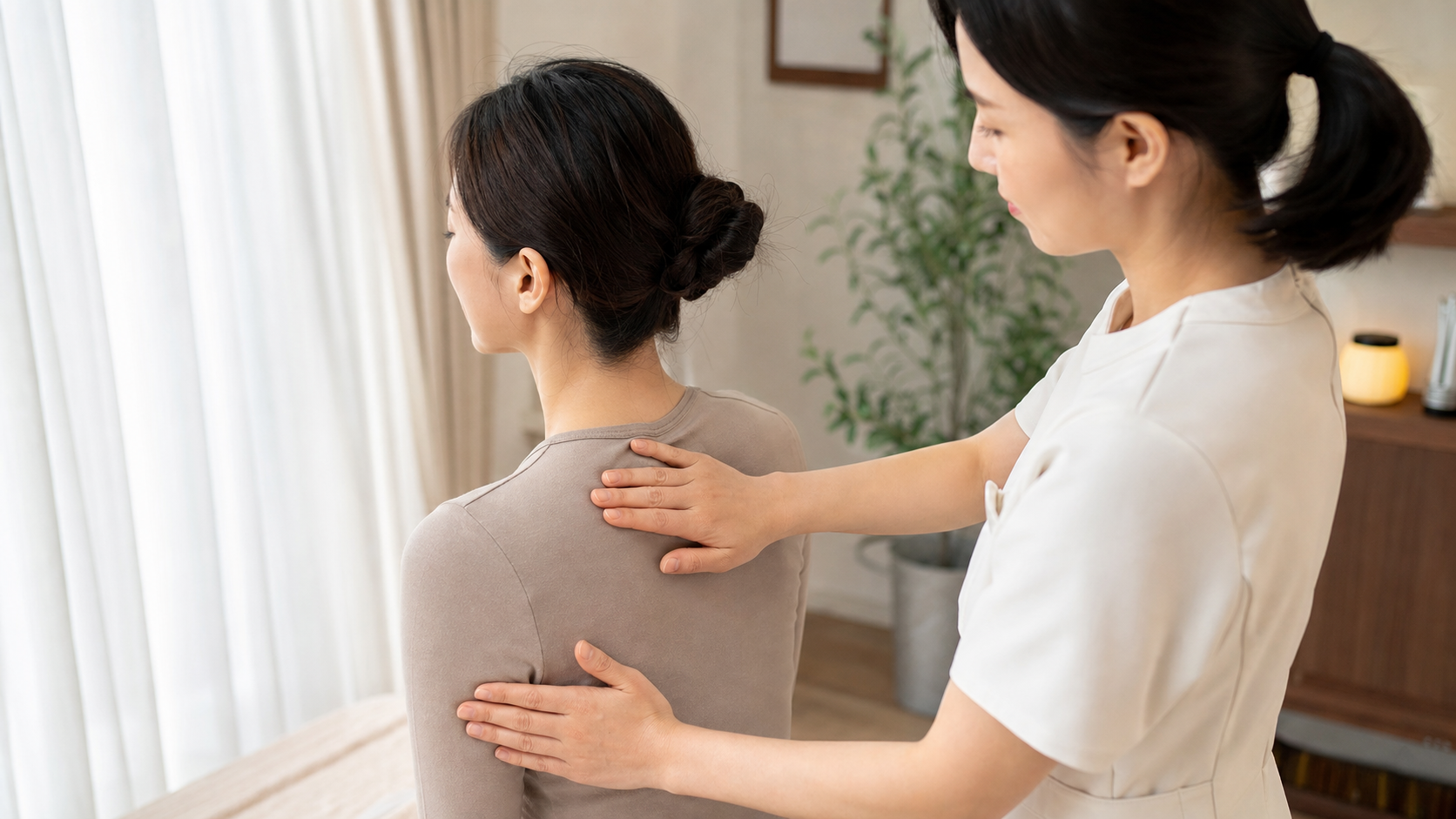
In an esthetic setting, adhesion usually describes an area beneath the skin that feels firm, tight, or less mobile under the hands. There is no standard diagnostic test behind this industry usage.
Those sensations can appear with swelling, postsurgical healing, or changes in the skin and tissue beneath it. Firmness doesn’t prove that tissue has adhered, and an esthetician shouldn’t assign a medical cause to it.
The boundary after surgery
If a surgical area feels firm or tight, start with the medical team responsible for your procedure. The safe time to begin hands-on care and the pressure to avoid depend on the operation and how you’re healing.
Esthetic manual care is a nonmedical service built around comfortable touch and pressure adjustment. It doesn’t separate or remove adhesions. Sudden pain, redness, warmth, or a change in the wound needs medical attention before any esthetic care.
Related terms
- Biobond: A Korean industry term for firmness or unevenness noticed after liposuction.
- Babon care: The name of a postsurgical esthetic program derived from the shortened term Babon.
- Manual massage: A broad form of care in which the practitioner adjusts pressure and movement by hand.
Frequently asked questions
Does stiffness mean I have an adhesion? No. Stiffness or firmness alone can’t confirm an adhesion.
Can manual care remove an adhesion? It can’t be described that way. A clinician determines whether a true adhesion is present, and esthetic care doesn’t replace diagnosis or treatment.
When can I get hands-on care after surgery? It depends on the procedure and your recovery. Follow the timing and limits given by the medical team responsible for your surgery.
This glossary entry is for general information. Experiences vary, and esthetic care isn’t intended to prevent or treat a condition.