How to Reduce Facial Puffiness: Gentle Pressure, Movement, and Daily Habits
When your face looks puffy, it’s tempting to press hard and try to make the swelling disappear quickly. I often hear the same concern in the treatment room. But a day when both sides look similarly puffy is different from a day when one eye or the lips suddenly swell.
If the puffiness is mild and familiar, you can review your habits and use a light touch. Don’t start with massage when there’s pain, warmth, or swelling that keeps getting worse. Here’s what I check before a session and how far you can safely go at home.
Check the swelling before trying to reduce it
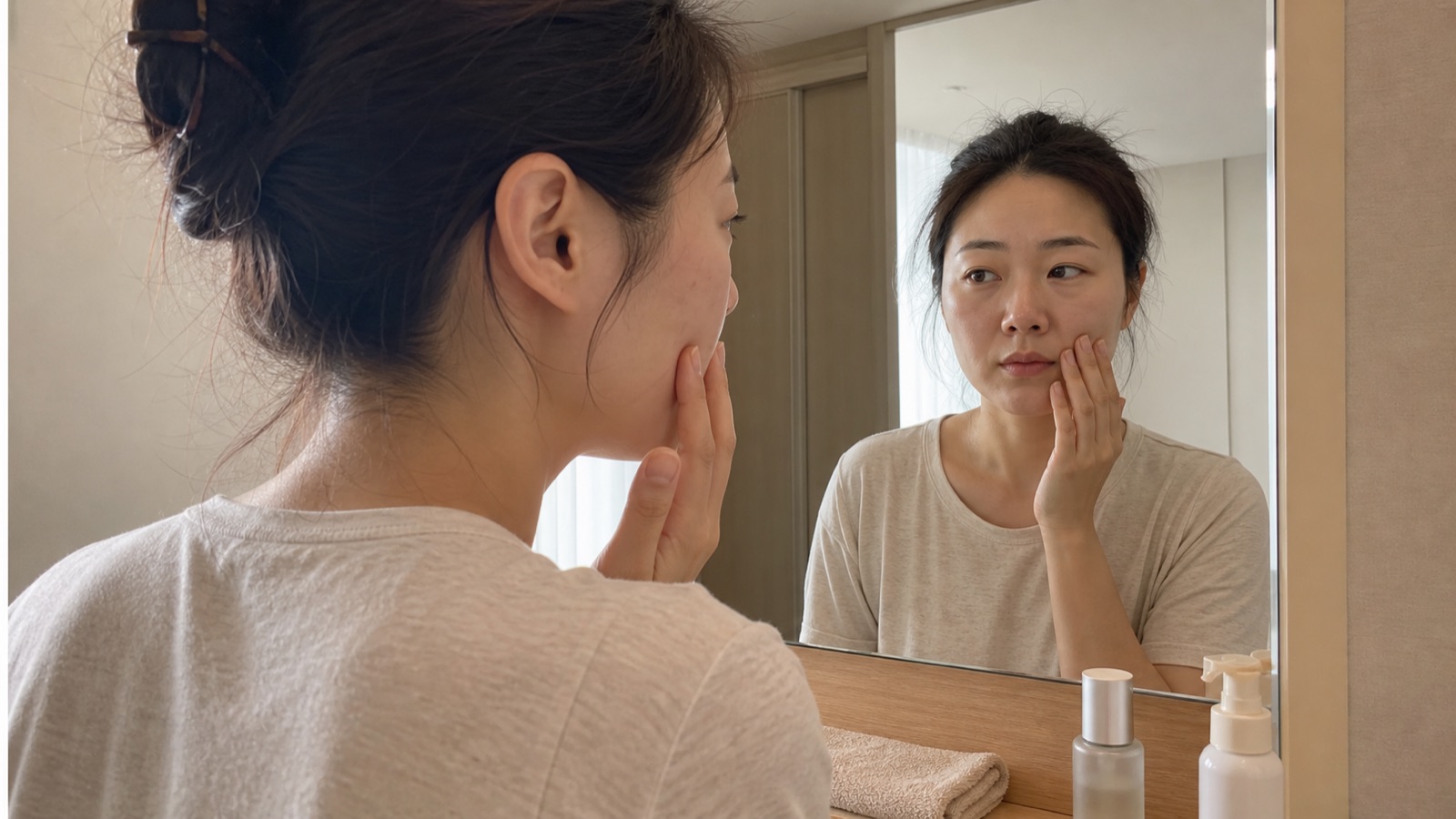
Facial puffiness describes fluid collecting beneath the skin and making the face look fuller than usual. It may settle with time, but you can’t identify the cause by appearance alone. Read the difference between puffiness and edema if you’d like more background.
My first questions are when the swelling began and where it appeared. Check whether both sides look similar or one side or one specific area has changed.
When both sides look similarly puffy
If both eye areas and cheeks look similarly puffy without pain or redness, think back to the previous day. The face may look fuller after a saltier meal, alcohol, or too little sleep. Sleeping face-down or keeping one side pressed into a pillow can also contribute.
Still, don’t assume that every puffy morning comes from food or sleep. Check whether your skin became itchy or hot after a new cosmetic product and whether you recently started a medication.
When one side or one area suddenly swells
Don’t begin with fingertip pressure if one eye, one cheek, the lips, or another specific area has suddenly swollen. Facial swelling can follow an allergic reaction, infection, injury, a dental or salivary gland problem, surgery, or another procedure.
If swelling and itching began right after a new cosmetic product, stop using it and wash away any product left on the skin. If swelling began after a prescription medication, don’t stop the medication on your own. Contact the prescribing clinician or a pharmacist promptly. Seek same-day medical care if pain, warmth, or redness appears or the swelling worsens quickly.
| Facial swelling checklist | |
|---|---|
| ✅ | Do both sides look similar, or is only one side different? |
| ✅ | Is this familiar puffiness, or did it appear suddenly for the first time? |
| ✅ | Is there pain, warmth, redness, or itching? |
| ✅ | Are the lips, inside of the mouth, tongue, or throat also swelling? |
| ✅ | Did you recently use a new cosmetic, start a medication, have dental work, undergo surgery, or receive another procedure? |
If none of these warning signs are present and the puffiness is mild and familiar, you can try gentle care at home.
Don’t start with strong pressure
The first thing I discourage is pressing until it hurts or sweeping forcefully across the skin. More pressure doesn’t make puffiness disappear faster. Keep your touch light enough that the skin doesn’t drag and finger marks don’t remain.
For a step-by-step routine to use right after waking, see How to Reduce Morning Facial Puffiness. Here, I’ll focus on how much pressure and movement to use.
1. Gentle fingertip pressure
This isn’t a treatment that presses specific acupressure points to cure swelling. A light press and release around the temples, ears, and jawline is enough.
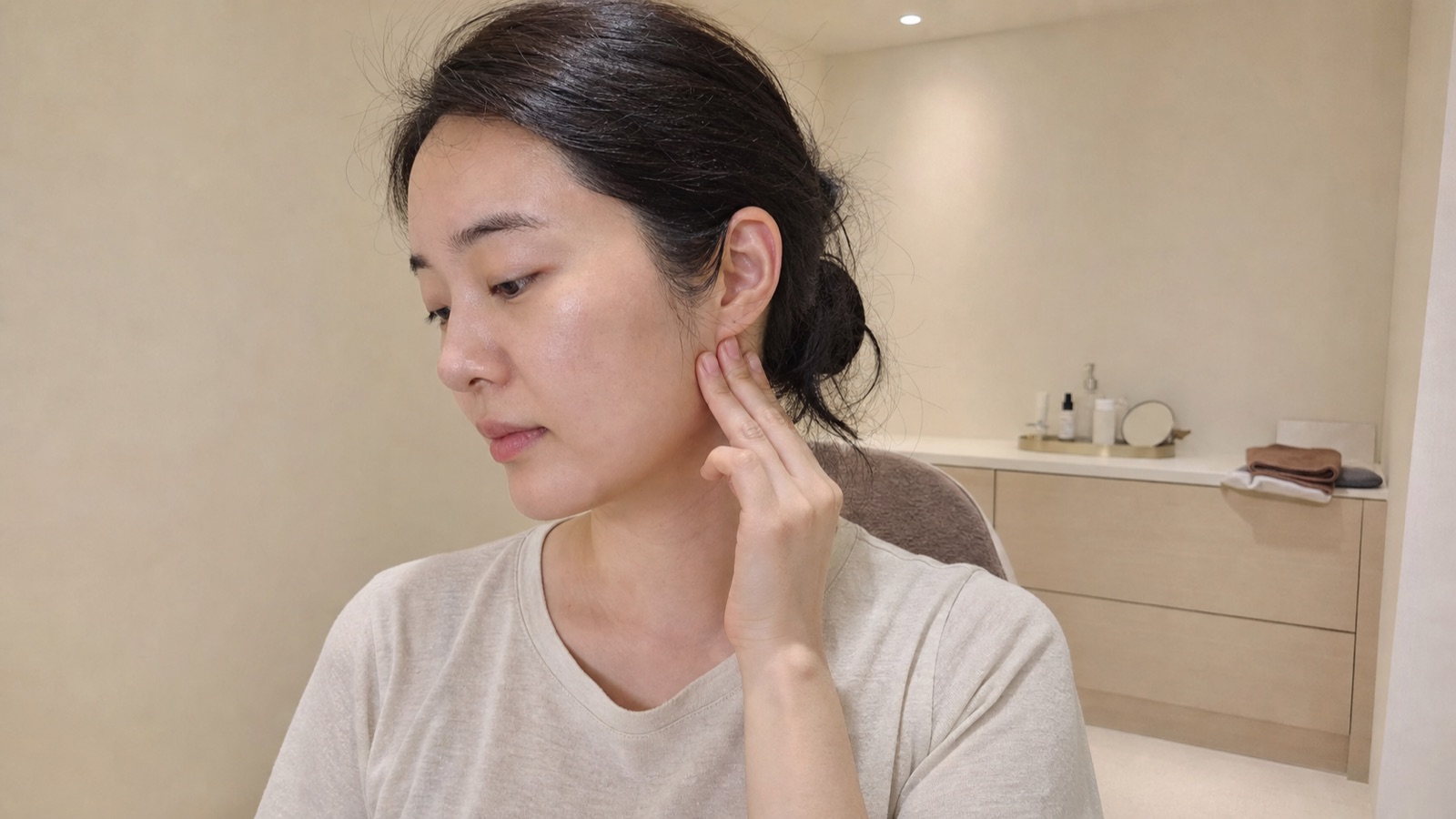
Along the jawline, move from the center of the chin toward the ears and repeat three to five times in each area. You don’t need to sweep forcefully from below the ears down the neck. Redness, pain, finger marks, or bruising mean the pressure is too strong. Avoid methods that compress the face with rubber bands or other bands.
If you have inflamed or broken skin or recently had facial surgery or another facial procedure, leave the area alone and follow your clinician’s instructions first.
2. Movement for facial puffiness
You don’t need to work only the facial muscles. I look at whether the neck and shoulders feel stiff too. If you’ve slept or sat in one position for a long time, loosen the neck and shoulders slowly.
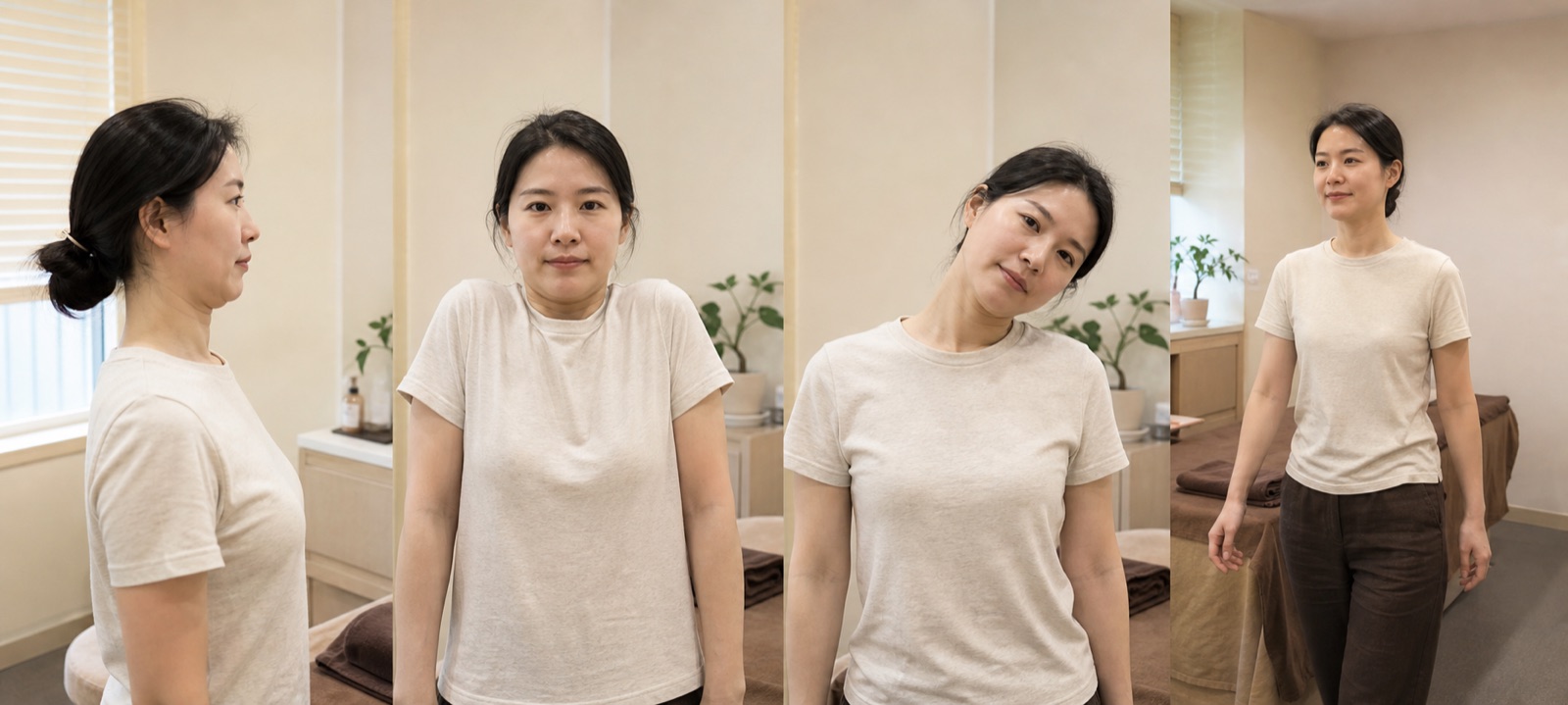
- Look straight ahead, draw your chin slightly backward on a level line, then relax.
- Slowly lift your shoulders toward your ears and lower them. Then make small backward circles.
- Tilt one ear toward the same-side shoulder, pause, and repeat on the other side.
- If you’ve been sitting for a long time, stand up and walk around your home briefly.
Don’t roll your neck in a large circle or use momentum to force it. Stop if you feel dizzy or develop neck or shoulder pain.
3. Look for repeated habits
It’s more useful to notice which days are worse than to press hard once. A few days of notes may reveal a pattern.
- Do you often eat ramen, salty soup, or salty late-night snacks?
- Does your face look puffier after drinking alcohol?
- Do you sleep face-down or press one side of your face into the pillow?
- Is the puffiness worse after too little sleep?
- Have you stayed in the same position for most of the day?
Don’t drink a large amount of water at once or try to force urination with a particular tea. If a clinician has limited your fluid intake because of a heart or kidney condition, follow that advice.
If swelling keeps returning or gradually worsens even after you review these habits, don’t dismiss it as your usual puffiness.
When facial swelling keeps returning or suddenly becomes severe
Guidance from Seoul National University Hospital and Ajou University Hospital describes sudden, severe swelling of the lips, eyelids, cheeks, or tongue with angioedema. That pattern is different from familiar, mild facial puffiness. I don’t recommend an esthetic session in that situation. Medical care comes first.
Swelling around the throat and airway may lead to a hoarse voice or difficulty breathing or swallowing. Don’t wait while trying fingertip pressure or a cold compress.
| What you see now | What to do first |
|---|---|
| Both sides look mildly puffy with no pain or redness | Review daily habits and use only gentle, non-irritating care |
| One side or one area suddenly swells and feels painful, red, or hot | Don’t massage it. Seek medical evaluation |
| Swelling lasts for days, keeps returning, or gradually worsens | Don’t attribute it only to habits. Schedule medical care |
| The lips, mouth, tongue, or throat suddenly swell, or breathing and swallowing become difficult | Call 119 in Korea or your local emergency number, or go to an emergency department immediately |
If your lips, mouth, tongue, or throat suddenly swell, or you have trouble breathing, throat tightness, or difficulty swallowing, call 119 in Korea or your local emergency number or go to an emergency department. A sudden hoarse voice can be another warning sign.
Medical care also comes first when swelling continues to worsen or comes with fever, redness, or tenderness. Tell the clinician about eye pain or vision changes, toothache, or gum pain if those symptoms are present. After recent surgery or another procedure, follow the treating clinic’s advice instead of a general massage routine.
When none of these warning signs are present, you can then compare home care with professional esthetic care.
When to consider professional care
If facial puffiness keeps returning despite habit changes and it’s hard to judge pressure on your own, professional hands may help. Mention it during the consultation if your neck and shoulders often feel stiff too.
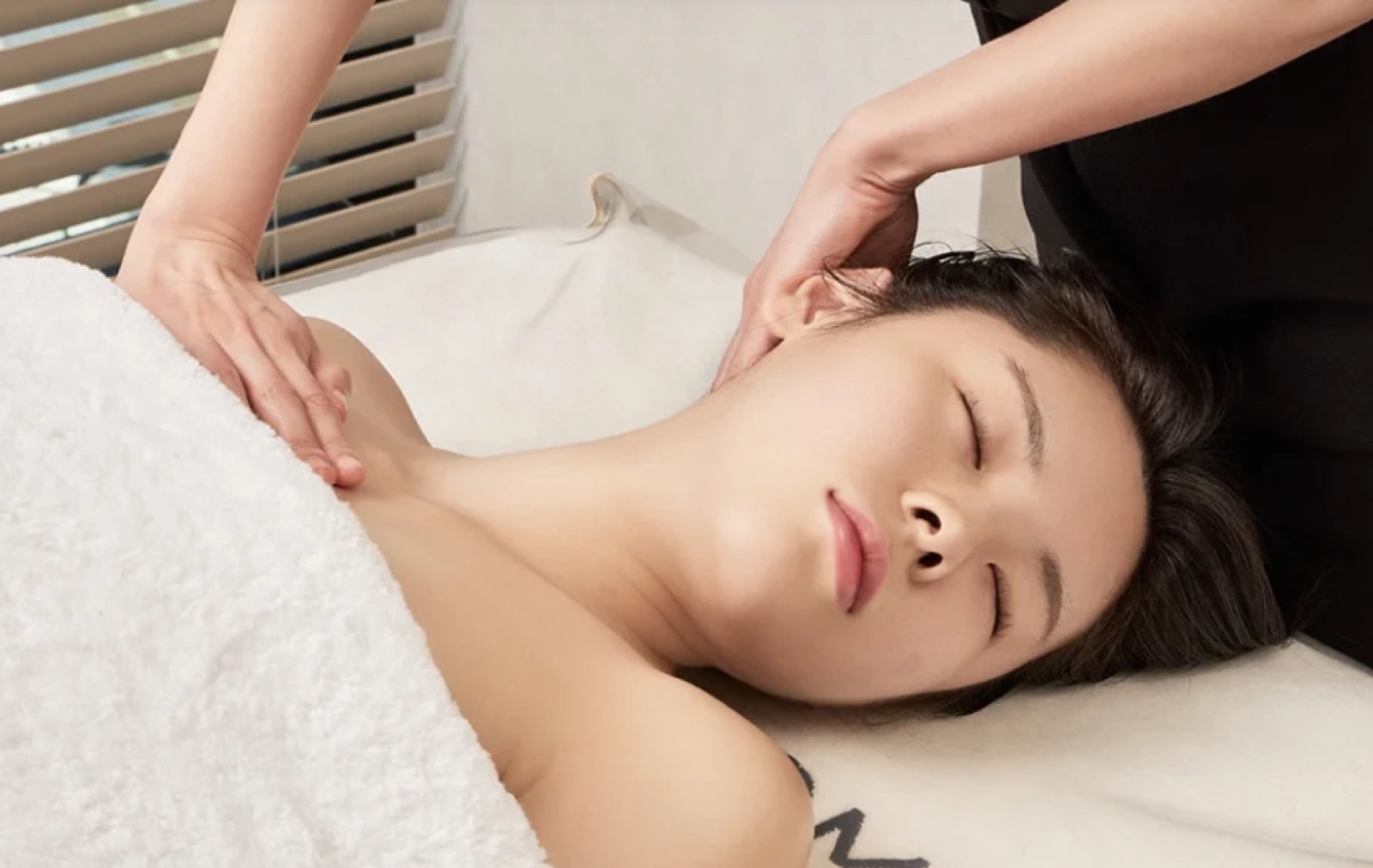
The face is sensitive to pressure. Rather than asking how hard the therapist presses, check whether the therapist:
- asks about your skin, recent procedures, and painful areas before the session
- adjusts pressure instead of pressing one facial area hard
- listens to discomfort in the neck and shoulders as well as the face
- reduces the pressure right away if the skin becomes painful or red
- avoids promising medical treatment results or a smaller face
Treatments commonly called lymphatic massage aren’t all the same. Manual lymphatic drainage for lymphedema in a medical setting has a different purpose and scope from esthetic care. To me, manual esthetic therapy shouldn’t end with making the face look less puffy for a moment. It should involve watching how the face and body respond over time and helping the client maintain a more comfortable, healthy condition.
Read what face sculpting actually includes if you’d like to compare professional care with what you can do at home.
Why I don’t press only the face
I began studying diet, daily habits, and therapy more deeply because of my child’s sensitive skin. That experience taught me to look beyond what appears on the skin and pay attention to the body’s response too.
That’s why I don’t follow a fixed sequence on the face simply because it looks puffy. I first ask when the discomfort began, whether there has been a recent skin procedure or pain, and whether the neck and shoulders also feel uncomfortable.
I wanted to become a therapist who understands the body through her hands, not someone who only explains well. I don’t decide everything from the consultation alone. During the session, I feel how the skin and body respond and adjust the pressure. Enduring painful pressure doesn’t make the care better.
Standards Shin In-ok follows in every session
A heavy-feeling face doesn’t need painful pressure. I look at the face, neck, and shoulders together and adjust the pressure so the skin doesn’t become painful or red. If one side suddenly swells or there is pain and warmth, I’m the first to recommend medical care.
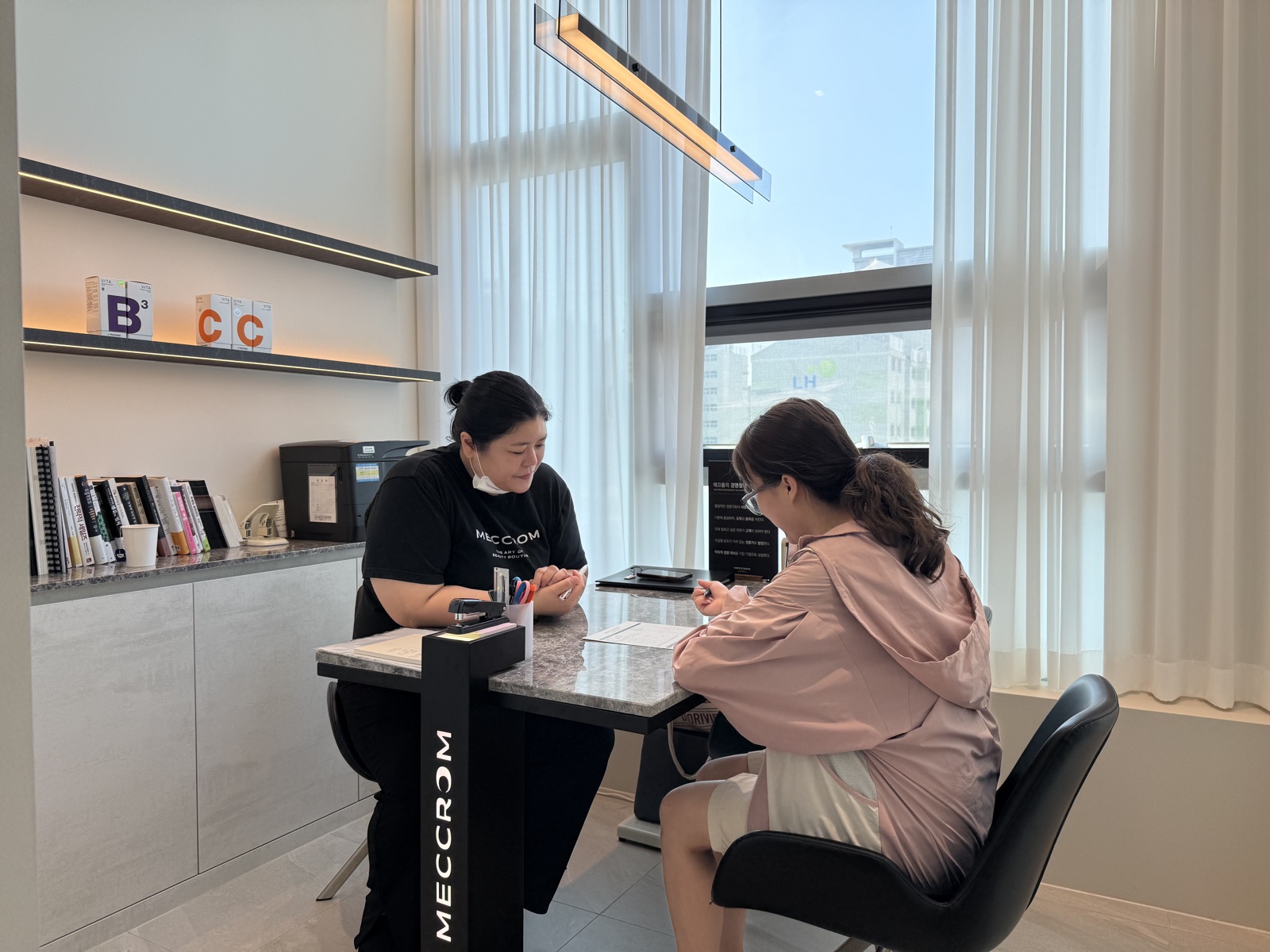
If it’s difficult to control pressure on your own or you’d like someone to look at the face, neck, and shoulders together, talk with me at Meccrom Incheon Namdong-gu. I’ll ask about previous care and anything that felt uncomfortable, then suggest a direction that stays within a comfortable range.
Do men need a different routine for facial puffiness?
The direction of gentle pressure and the movements don’t change simply because you’re a man. I look at the current pattern rather than gender. Check whether both sides look similar, whether only one side or the lips and eye area suddenly swelled, and whether there’s pain or redness. For mild puffiness without urgent warning signs, focus on habits and lighter pressure instead of pressing hard.
This article provides general health and esthetic information. It doesn’t replace individual diagnosis or treatment.