Authentic Esthetic
Authentic esthetic is a Korean industry expression used to emphasize fundamentals, hand skill, and a consistent approach to care. It isn’t the name of a national qualification, academic term, or internationally standardized treatment category.
The word authentic doesn’t carry an objective rank for age, quality, or effectiveness. You still need to check what a business means by it.
Industry use in Korea
Korean esthetic businesses use the expression when they want to stress established hand techniques or put core principles ahead of trend-driven products and devices. A brand may also use it to describe years of practice or its training philosophy.
There is a shared theme, but no fixed definition. One business may mean a manual-first service. Another may be talking about its history or teaching system. The label alone doesn’t tell you what’s in the session.
Official training categories
Korea’s National Competency Standards organize skin esthetics into competencies such as consultation, skin analysis, facial care, body care, equipment use, and hygiene. CIDESCO, an international beauty education body, also covers facial and body care, massage, esthetic equipment, hygiene, and client care.
Both frameworks treat hands-on skill and equipment as parts of professional education. The public categories reviewed for this entry don’t list authentic esthetic as a separate qualification or shared practical standard. It shouldn’t be presented as a credential.
Hands and equipment
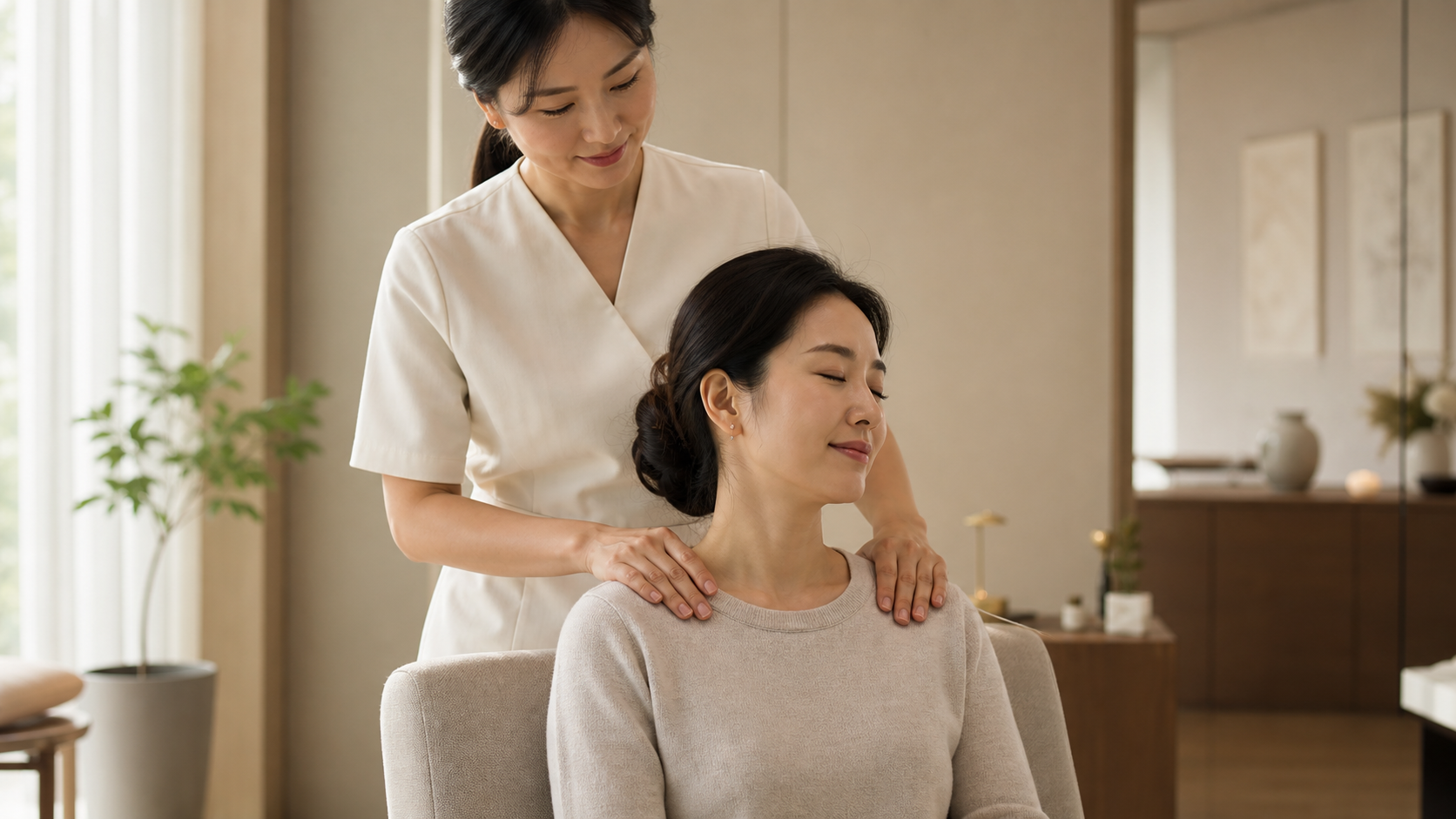
Many businesses use authentic esthetic to mean a manual-first approach. That doesn’t establish a rule against all equipment. Recognized skin-esthetics education includes both hands-on facial and body work and the use of esthetic devices.
The useful question isn’t which side is more authentic. Look at whether the chosen method fits the stated cosmetic purpose, and whether the practitioner follows sound use and hygiene practices.
Reading the label
Words such as authentic, traditional, and essential can describe a philosophy. They don’t guarantee quality or results. Check the details behind the claim.
- The practitioner’s relevant education and working scope
- The actual face or body areas included
- How the service uses hands, products, tools, and devices
- Hygiene and consultation procedures
- How pressure and products are adjusted for the client
Adding authentic to the name doesn’t turn esthetic care into diagnosis or treatment. Skin disease, persistent pain, and sudden physical changes need the right health professional.
Similar Korean terms
| Term | Usual meaning | Official status |
|---|---|---|
| Authentic esthetic | An industry expression for fundamentals, hand skill, and a philosophy of care | Not a separate official category |
| Manual care | A broad label for work performed by hand | General industry language |
| Skin esthetics | The occupational field covering face and body skin care | Organized within Korea’s National Competency Standards |
| Medical esthetics | A variable label that may mix beauty and medical language | Check the provider and actual service |
Related terms
- Manual massage: A broad industry term for care performed mainly by hand.
- Sugi therapy: A Korean esthetic expression that emphasizes hand skill, not one officially standardized method.
Frequently asked questions
Is authentic esthetic an official qualification or method? No. It’s an industry expression for fundamentals, hand skill, and a care philosophy, not a separate credential or standardized technique.
Does authentic esthetic exclude all equipment? Not necessarily. It often suggests a manual-first approach, but there is no shared rule that bans devices.
Does authentic mean the service works better? No. It isn’t an objective rating of effectiveness. Check the training, session details, hygiene, consultation, and pressure-adjustment practices instead.
This glossary entry is for general information. Experiences vary, and esthetic care isn’t intended to prevent or treat a condition.