Post-Surgery Esthetic Care in Korea: When to Start and What to Expect
Surgery may be over, but your face or body can still feel unfamiliar. You may feel puffy and tight, and even lying down or lifting an arm can take more thought than usual. Gentle post-surgery esthetic care can make this stage feel a little more comfortable by working around areas that feel heavy, tense, or stiff.
In Korea, you may see this service listed as post-op lymphatic care, post-surgery swelling care, or simply post-surgery esthetic care. The name varies from one studio to another. What matters is when the care begins, where the esthetician places their hands, and how the pressure is adjusted to your procedure.
What Is Post-Surgery Esthetic Care?
Post-surgery esthetic care is gentle, hands-on bodywork for puffiness, tightness, and stiffness after a cosmetic procedure. The esthetician uses light, slow skin movements along the body’s lymphatic pathways. This encourages fluid sitting between the tissues to keep moving without deeply kneading the surgical area.
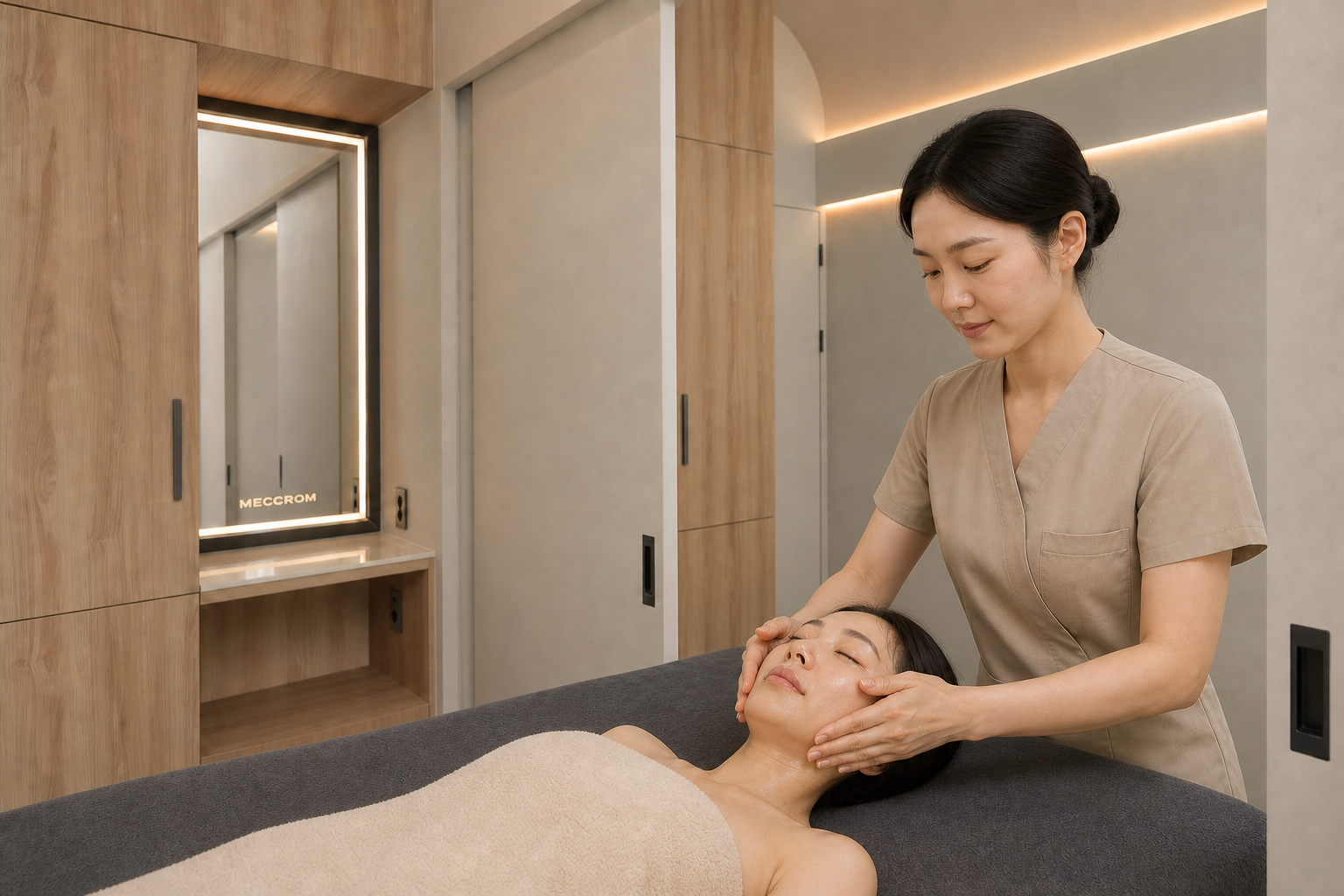
This is much lighter than deep-tissue massage. The surgical site should not be pressed hard. Care usually begins around surgeon-cleared areas, with the esthetician also working on places that became tense while you were protecting the surgical area, such as the neck, shoulders, back, or arms.
Cancer Research UK describes clinical manual lymphatic drainage as very light, slow, rhythmic skin movement. A spa service is not the same as clinical treatment for lymphedema, but the comparison helps explain why lymphatic care should feel gentle rather than forceful.
Lymphatic care, in plain English
Think of it as slow, light hand movements that guide fluid toward areas where it can continue moving naturally. The skin is not rubbed or kneaded hard. At Meccrom, the neck and collarbone area may be addressed first, followed by the surgeon-cleared area that feels puffy or heavy.
What Changes May You Notice?
- Puffiness: The treated area may feel less heavy or look less puffy as fluid shifts.
- Bruising: Bruised skin is not pressed directly. Gentle work may be done around the area for comfort while the bruise heals on its own.
- Firmness: After liposuction, an area may feel hard, tight, or uneven. Surgeon-cleared care may help it feel more comfortable, but firmness should not be self-diagnosed as fibrosis or an adhesion.
- Tightness: Working around stiff shoulders, the neck, back, or arms may make everyday movement feel easier.
Natural healing is happening at the same time, so you can’t credit every visible or physical change to esthetic care alone. The service also can’t guarantee faster healing or a different surgical result.
When Can You Start After Surgery?
There is no standard day that works for every procedure. Even two people who had the same surgery can have different incision sites, recovery instructions, and healing progress. One procedure may also have been more extensive than the other.
Start only after your surgeon says it’s okay to receive massage or other hands-on care outside the clinic. Ask for details instead of a general yes:
- When can I begin outside esthetic or lymphatic care?
- Which areas may be touched, and which should be left alone?
- Should I avoid pressure, rubbing, heat, or devices?
- Can I lie face down or on my side? Can I raise my arms?
- May I remove my compression garment during the session?
Once your surgeon clears the care, the esthetician should begin around the permitted area and avoid direct pressure on the surgical site.
Why Pressure Matters So Much After Surgery
An incision may look closed on the surface while the tissue underneath is still healing. The area may also be more sensitive to friction and pressure than it was before surgery.
Firm rubbing or deep kneading can place unnecessary stress on healing tissue and may make redness, warmth, or irritation worse. This is also why surgeons often limit massage, saunas, and other sources of pressure or heat for a period after surgery.
Swelling, bruising, and firmness are usually the concerns that lead people to book. Still, the first priority is protecting the healing tissue. A post-op session should be built around gentle pressure and the surgeon’s instructions, not around trying to work out every firm spot as quickly as possible.
Which Service Fits Your Procedure?
After your surgeon clears outside care, the program can be adjusted to the procedure and the area that feels uncomfortable.
| If you had | Suggested service | Areas usually included after clearance |
|---|---|---|
| Eyelid, nose, or facial contouring surgery | Facial lymphatic care | The face, neck, and collarbone area, while avoiding restricted areas |
| Arm liposuction | Upper-body lymphatic care | The arms and surrounding underarm area |
| Abdominal liposuction | Abdominal lymphatic care | The abdomen and nearby areas that feel puffy, tight, or uneven |
| Thigh liposuction | Lower-body lymphatic care | The thighs and calves, especially when walking feels stiff |
| Breast surgery | Upper-body care | The arms, underarms, neck, shoulders, and back, without working directly on the breasts |
| Fat-dissolving injections | Area-specific lymphatic care | The treated area and nearby tissue that feels puffy or firm |
Post-surgery care is not the time for aggressive pressure. The areas that can be touched and the amount of pressure that feels comfortable are different after eyelid surgery, facial contouring, liposuction, or breast surgery. Choose a studio that asks what procedure you had, checks your surgeon’s restrictions, and adjusts the session instead of using one routine for everyone.
The pressure should feel more like the hands are resting against the skin and moving slowly with it. It should not feel like someone is digging into a lump or forcefully rubbing the surgical area. Many clients find this gentle pace relaxing enough to fall asleep.
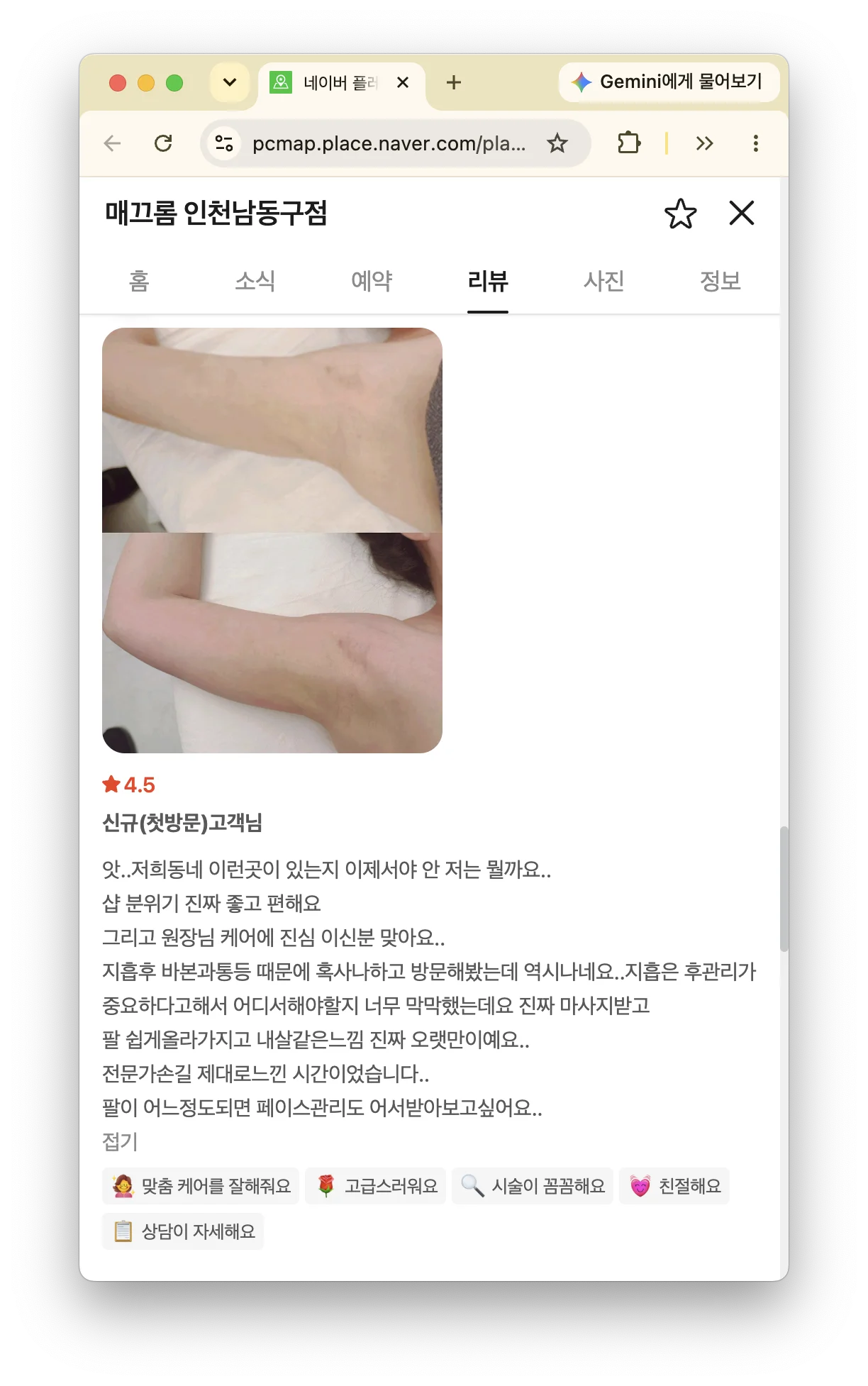
Korean studios may call care for a firm or uneven-feeling area after liposuction babon care, a shortened form of the local beauty-industry term biobond. Neither word is a standard English medical diagnosis. Read more about what babon care means in Korea, or see a client’s experience with post-liposuction arm care at Meccrom Incheon Namdong.
What to Share Before Your Appointment
A short, specific consultation helps the esthetician decide which areas to avoid and which positions will be comfortable. Share the following before your session:
- Procedure details: What you had done, the body area, and the date
- Revision history: Whether this was your first surgery or a revision in the same area
- Surgeon’s instructions: When outside care may begin and which areas are restricted
- Health history: Any condition you’re being treated for, medications, past surgeries, and allergies
- Current discomfort: Headaches, ringing in the ears, dizziness, neck or shoulder pain, arm tingling, or jaw discomfort
- Previous bodywork: Lymphatic care or device-based treatments you have received and any discomfort afterward
- Current condition: Where puffiness or firmness feels most noticeable and which movements or positions are uncomfortable
- Daily routine: Compression-garment use, sleeping position, and long periods of sitting or standing
Even though the appointment is for post-surgery care, Meccrom asks about discomfort elsewhere in the body. That doesn’t mean an esthetic session treats headaches, tinnitus, or another medical condition. It tells us how you’re holding and moving your body, so we can avoid positions or areas that feel uncomfortable.
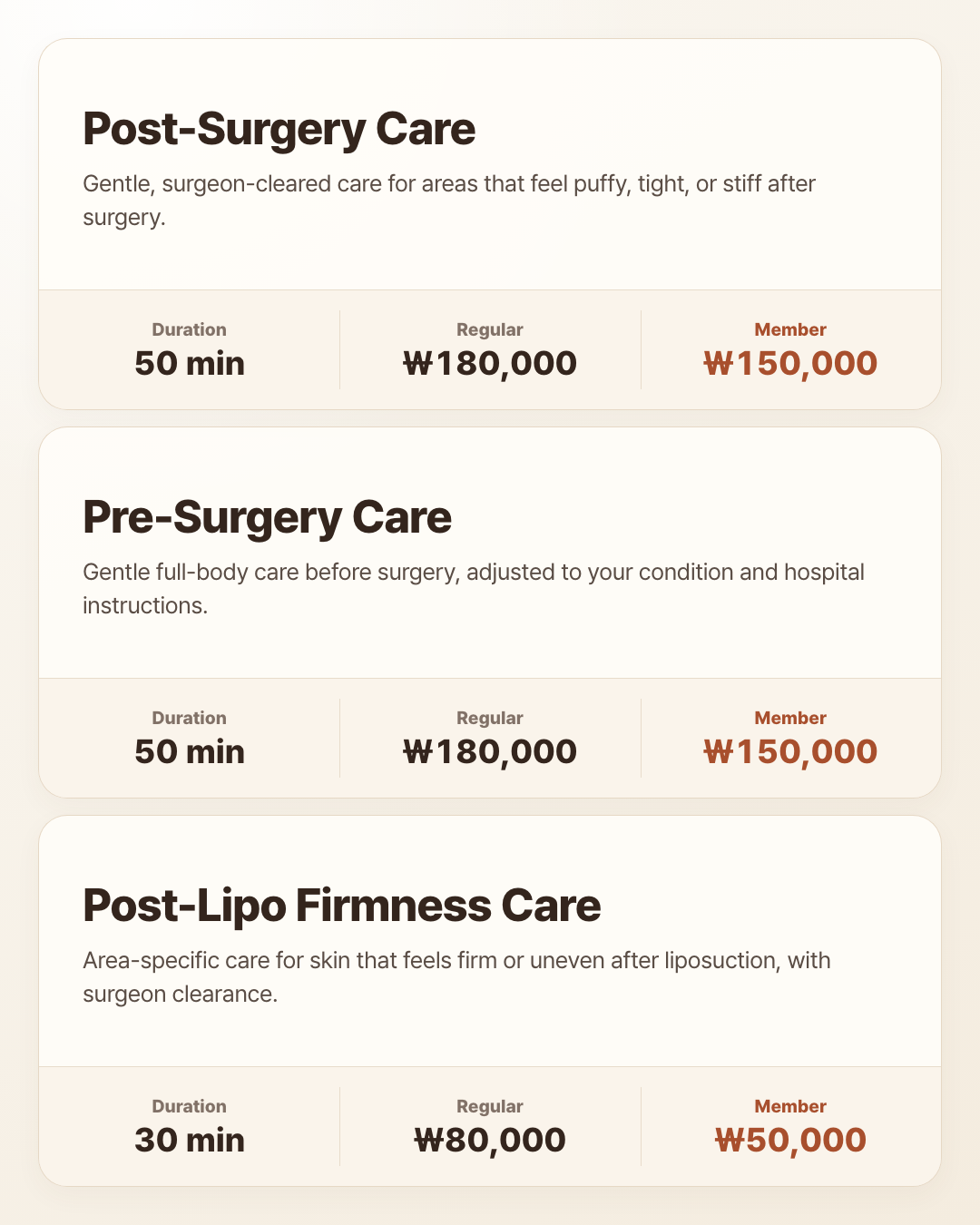
At Meccrom, Post-Surgery Lymphatic Care is a 50-minute service. Post-Lipo Firmness Care, often listed in Korean as Babon Care, is a 30-minute area-specific service. You don’t need to organize every detail before contacting us. Start with the name and date of your procedure, your surgeon’s instructions, and the area that feels most uncomfortable now.
Choosing Post-Surgery Care in Korea
If you’re recovering from cosmetic surgery in Korea, don’t choose a studio based only on a menu that says lymphatic massage. Ask if the esthetician has experience with your procedure, how restricted areas are handled, and whether the pressure and position can be changed during the session.
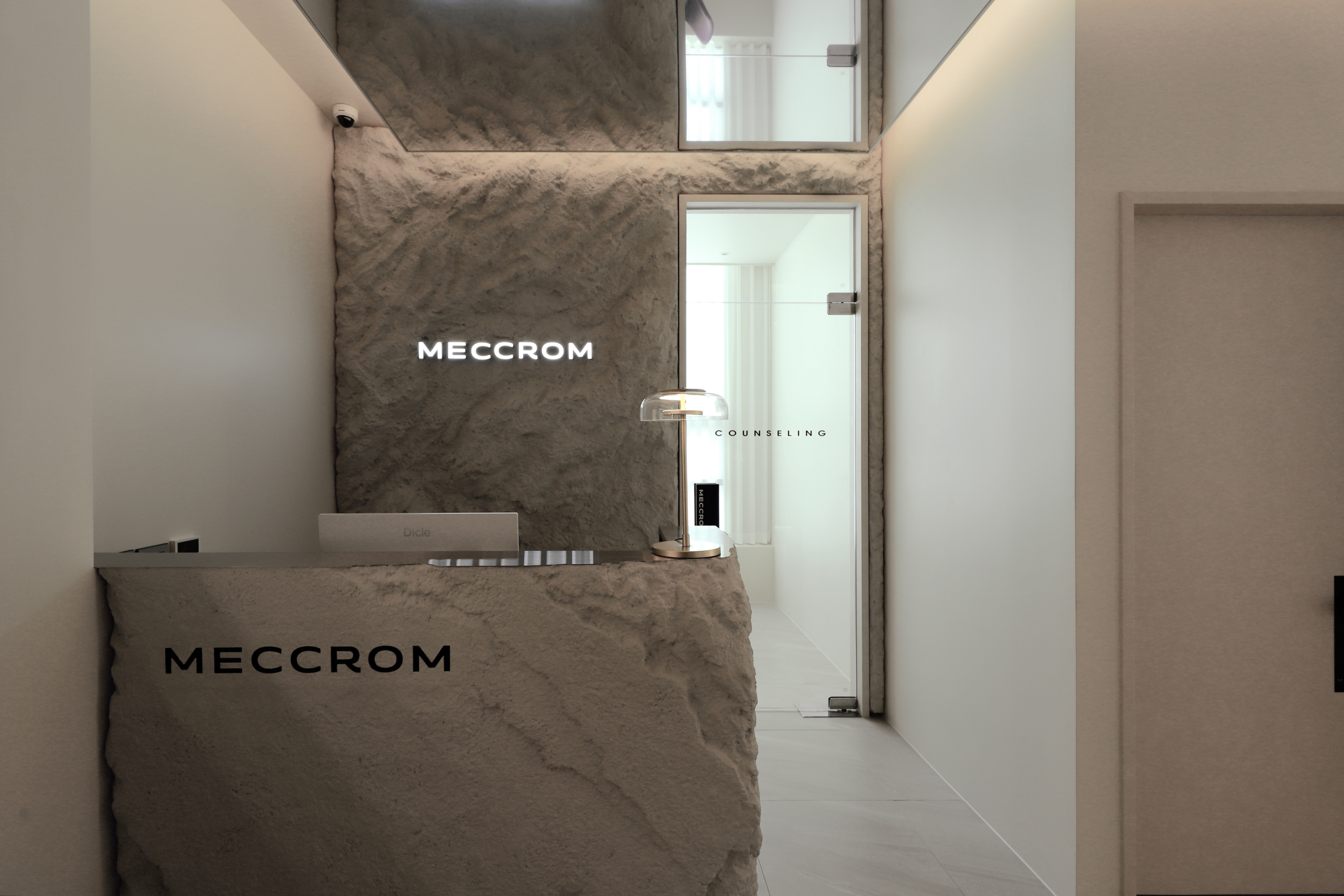
Meccrom offers consultations at its Seongsu and Incheon Namdong locations. We first check the procedure, date, surgeon’s restrictions, and how your body feels that day. If your condition has changed since your surgeon cleared massage, we will ask you to contact the surgical clinic again before receiving care.
Don’t book esthetic care if swelling or pain suddenly becomes worse, the wound is red or hot, there is bleeding or discharge, or you have a fever. Contact your surgical team first. If you develop chest pain or sudden shortness of breath, seek emergency medical care.
This article provides general health and esthetic information. Follow the surgical team’s instructions for wound care and recovery.
References
- Cancer Research UK: Manual lymphatic drainage for lymphoedema
- Cambridge University Hospitals: Scar massage information
- The Aesthetic Society: Plastic surgery recovery expectations
- The Utility of Lymphatic Massage in Cosmetic Procedures
- Manual lymphatic drainage and therapeutic ultrasound after liposuction and lipoabdominoplasty