
Lymphatic drainage massage uses light, slow movements that gently stretch the skin. In the United States, the term often refers to manual lymphatic drainage, or MLD, used as part of medical care for lymphedema. Korean spas may use the same general term for a nonmedical massage focused on everyday puffiness and relaxation. Those services are not interchangeable.
If you have diagnosed lymphedema, swelling after cancer treatment or surgery, or a new type of swelling, ask your medical team what is safe for you. The at-home movements in this guide are only for mild, familiar puffiness in someone without warning signs.
Why Lymphatic Drainage Massage Uses Light Pressure
Many lymphatic vessels sit close beneath the skin, which is why this style of massage feels very different from deep-tissue work. Place your palm flat against the skin, move the skin slightly, and release. The motion should feel slow and gentle. If the skin becomes painful or very red, stop.
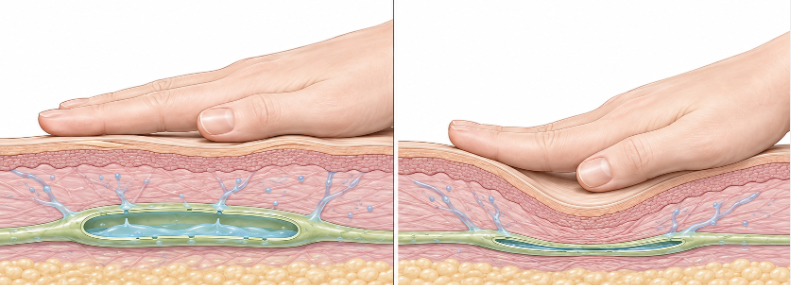
Light pressure doesn’t mean every type of swelling is suitable for home massage. The purpose and who should perform the massage change with the person’s condition.
| Type | Purpose | Who performs it |
|---|---|---|
| Manual lymphatic drainage (MLD) | Symptom management for lymphedema | A medical professional or therapist with specific training |
| Spa lymphatic massage | Comfort for everyday puffiness and tension | An esthetician, massage professional, or the individual |
If you have lymphedema or swelling after surgery or cancer treatment, do not copy a general routine from the internet. Ask your medical team whether massage is appropriate and have a trained professional show you the sequence for your condition.
Do not try the routine below if you have a blood clot or suspected deep vein thrombosis, cellulitis or another active infection, fever, uncontrolled heart or kidney problems, damaged skin in the area, or sudden one-sided swelling.
When the puffiness is mild, familiar, and not related to a medical condition, you can try the following movements with light pressure. Stay within a comfortable range.
A Gentle At-Home Routine for the Neck, Armpits, and Groin
Lymph nodes are found throughout the body, with larger groups around the neck, armpits, and groin. Begin with a few slow breaths. Then place the broad surface of your fingers or palm against the skin and move it gently. Keep the whole routine brief and stop if anything feels painful or unusual.
Neck lymphatic massage
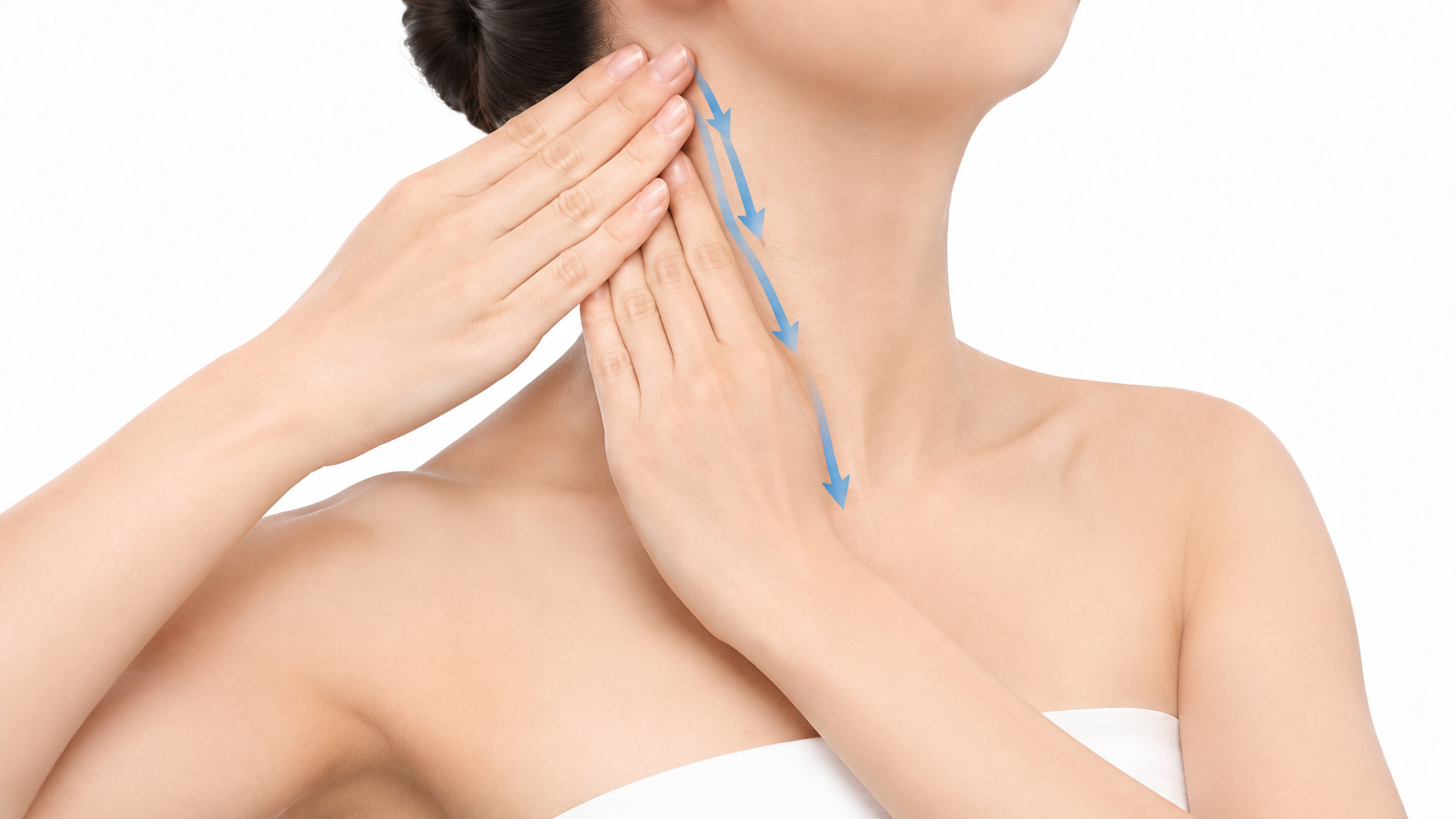
Lay two or three fingers flat below the ear and slowly move toward the collarbone. Use only enough pressure to shift the skin slightly. Do not press deeply on the front of the neck or where you feel a strong pulse.
Armpit lymphatic massage
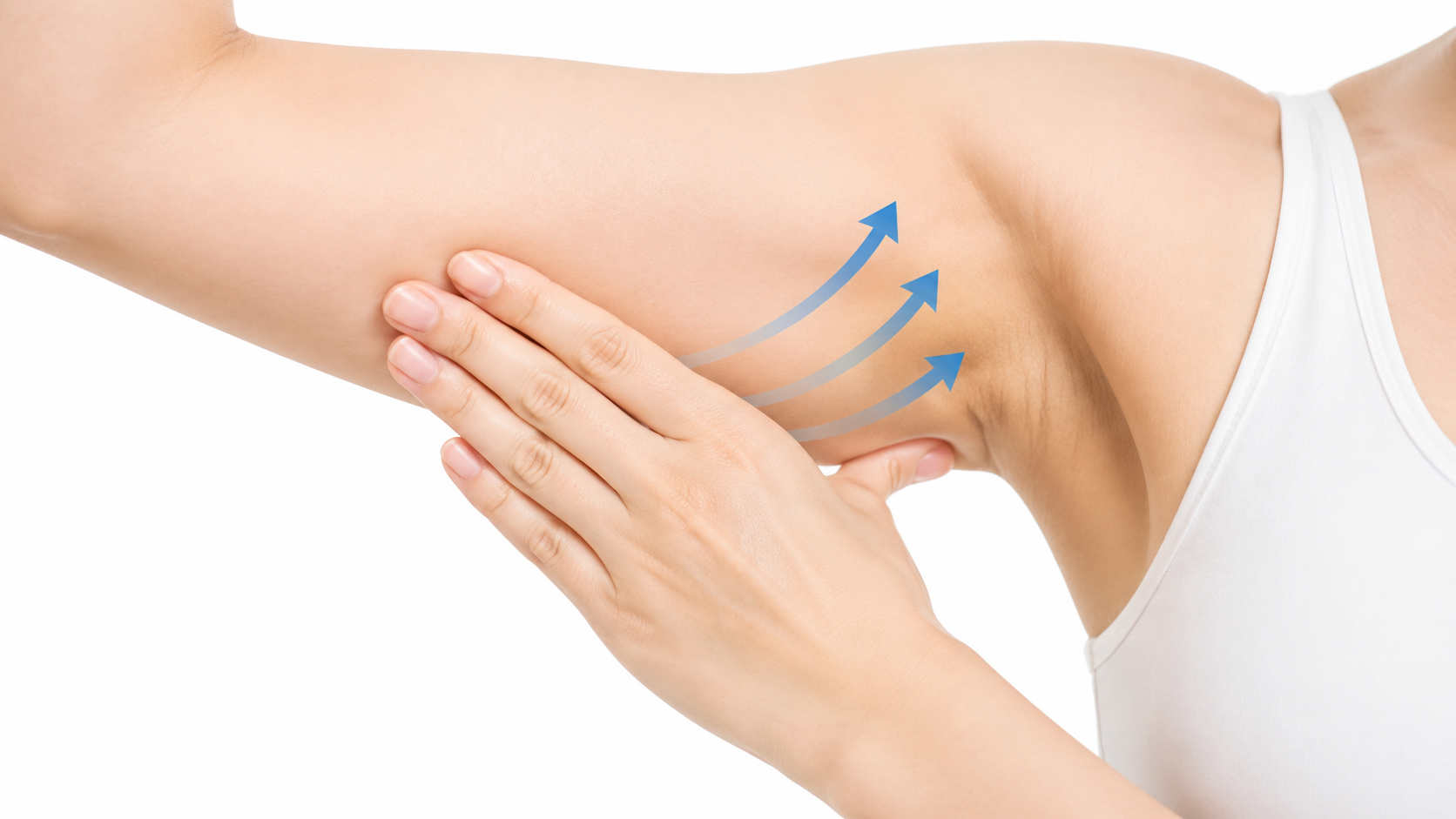
Place your palm high on the inner arm and move lightly toward the armpit. Do not dig your fingertips into the hollow of the armpit.
Groin lymphatic massage
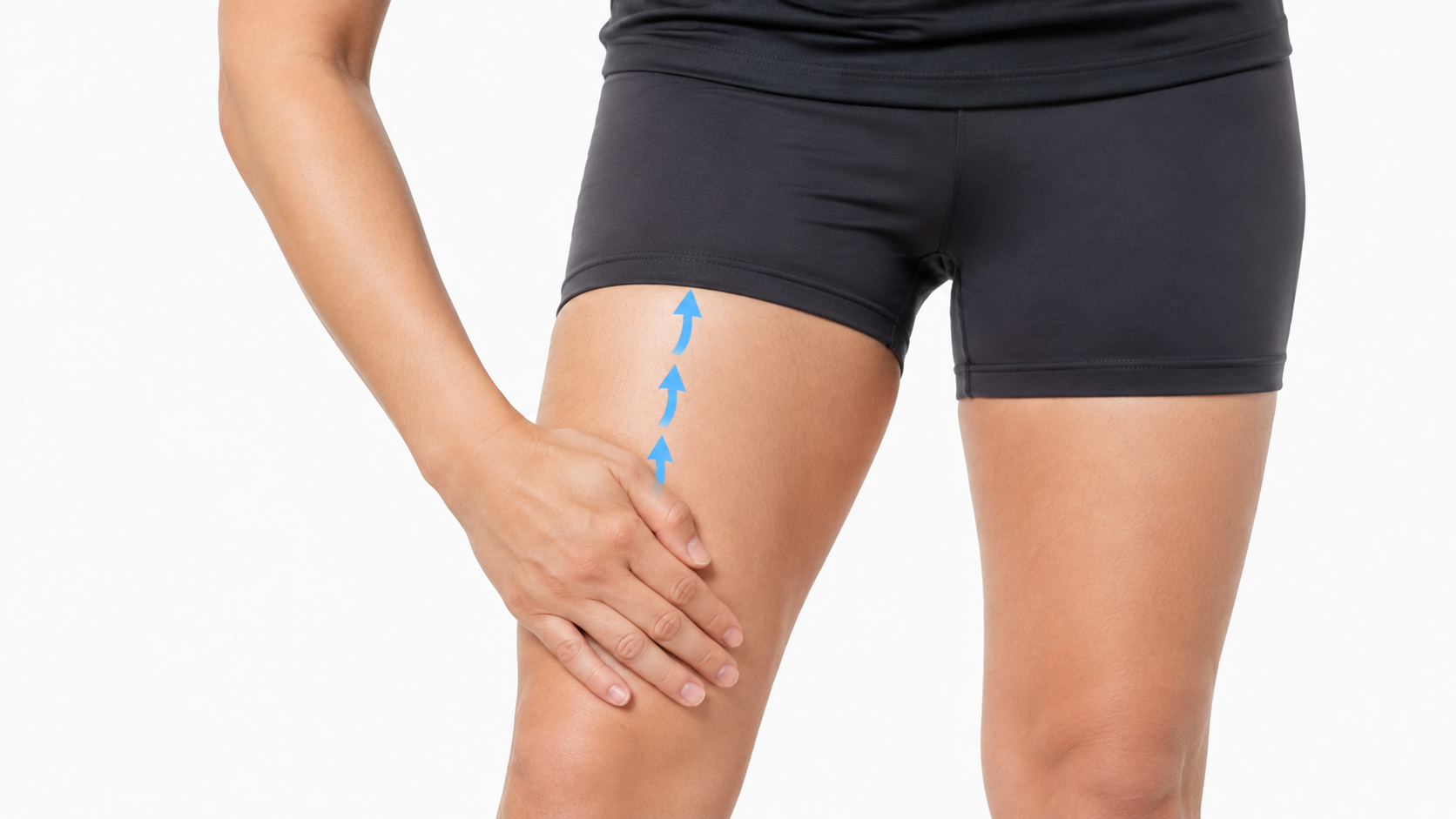
Place your palm high on the inner thigh and move slowly toward the groin crease. Do not press deeply into the groin or rub the same spot repeatedly.
For details about clothing, draping, oil, and consent at a Korean spa, read what to expect from groin lymphatic massage in Korea.
Stop if you feel sharp pain, tingling, or warmth, or if the skin becomes very red. If you feel a lump or the discomfort continues, seek medical care instead of continuing the massage.
Gentle skin movement may make the area look temporarily less puffy or feel lighter. If heavy legs are your main concern, see our guide to reducing leg swelling.
Lymphatic massage may help with puffiness, but it doesn’t remove body fat.
What Lymphatic Drainage Massage Can and Cannot Do
After a nonmedical spa massage, the area may feel less tight and somewhat lighter. Everyday puffiness may look less noticeable for a while. These changes are not the same as treating lymphedema or another medical cause of swelling.
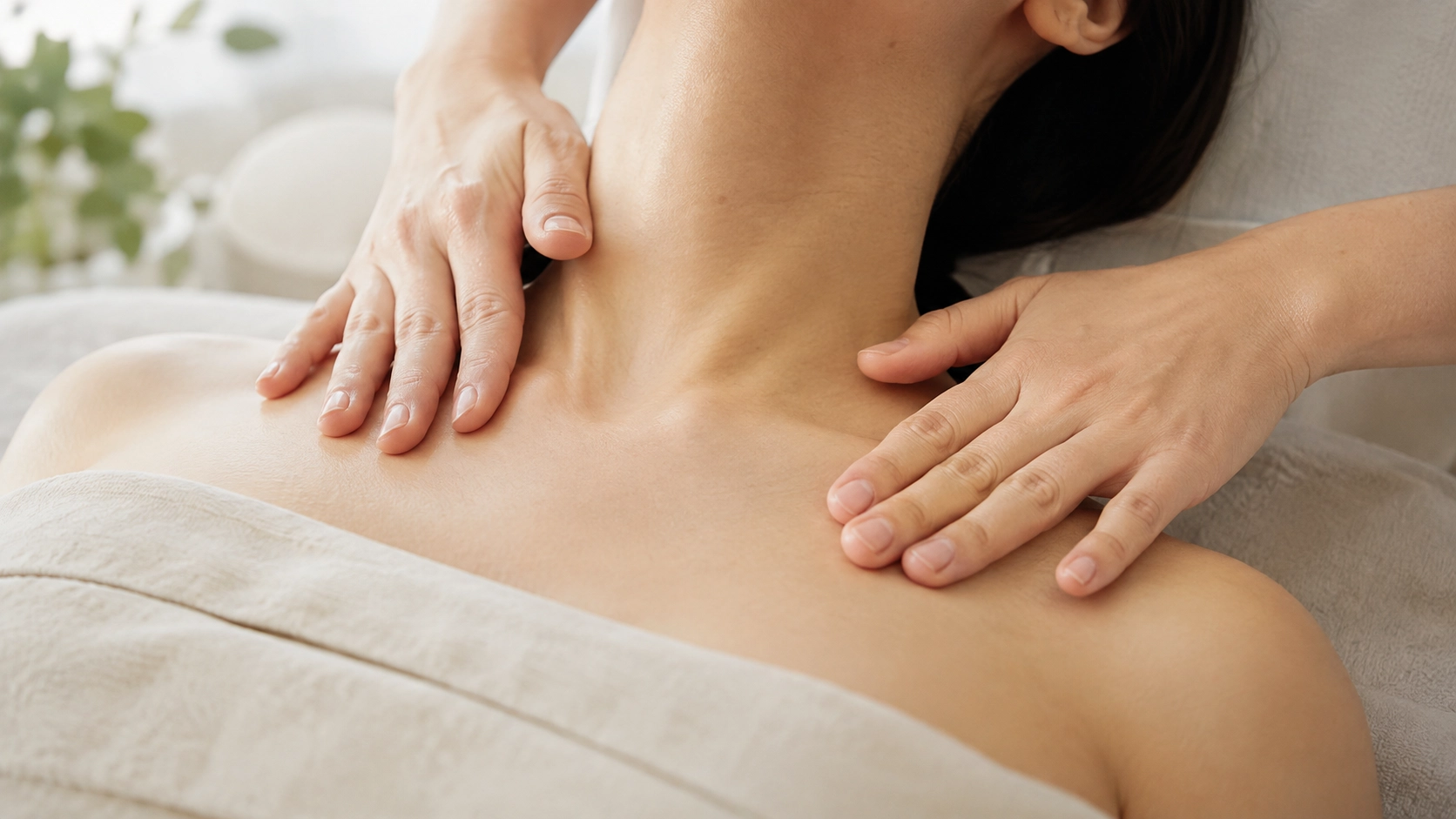
As the skin and nearby tissue move gently, some people also notice that the body feels less tense and breathing feels easier during the session.
- Puffiness: The treated area may look temporarily less swollen.
- Visible lines: The face, arms, or legs may look slightly more defined as puffiness settles.
- Heaviness and tension: A stiff or heavy area may feel more comfortable.
- How the skin feels: Skin that felt tight may feel a little softer.
These changes can be temporary responses to shifting fluid and easing tension. They don’t mean fat has been removed or the body’s shape has changed permanently. Salty food, too little sleep, and long periods of sitting can make puffiness return.
Changes that are easy to misread
- An arm or thigh measures smaller: This may be a temporary change in puffiness, not fat loss.
- The body feels lighter: This describes comfort as puffiness settles, not a change in body weight.
Be careful with claims about detoxing. The lymphatic system helps return fluid and supports immune function, but massage hasn’t been shown to remove toxins from the body.
Lymphatic drainage massage can be one way to manage everyday puffiness and discomfort. It isn’t a weight-loss method, and massage isn’t the right first step for every kind of swelling. Some symptoms need medical care.
When Not to Try Lymphatic Drainage Massage on Your Own
Problems are more likely when someone massages a condition that shouldn’t be massaged or uses excessive pressure. Swelling that looks ordinary can sometimes be related to a blood clot, infection, or a heart condition.
Don’t treat the following signs as simple puffiness.
- One arm or leg suddenly swells and hurts: A vascular problem such as deep vein thrombosis needs to be ruled out. Don’t massage or knead the area.
- The skin is red and hot, or you have a fever: These can be signs of an infection such as cellulitis. Stop the massage and seek medical care.
- You have been diagnosed with a heart or kidney condition: Massage may not be appropriate depending on the cause and current state of the swelling. Ask your medical team first.
Don’t follow a general self-massage routine if you’re undergoing cancer treatment or have had lymph nodes removed or treated with radiation.
If swelling comes with shortness of breath, chest pain, severe dizziness, or a feeling that you may lose consciousness, don’t massage. Seek emergency medical care immediately.
Direction and sequence still matter even when the pressure is light. If you’re unsure what is safe for your body, professional guidance may be helpful. Before choosing professional lymphatic massage for recurring puffiness, check the following points.
What to Ask Before Booking Lymphatic Drainage Massage in Korea
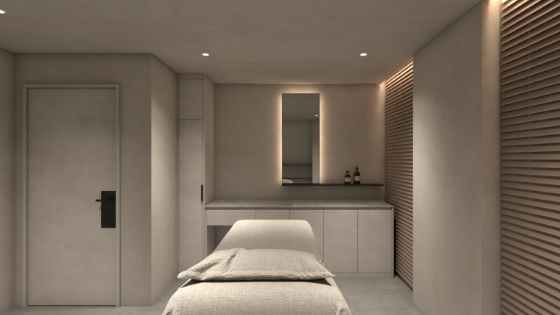
A careful spa session begins with questions about your health, recent surgery, and current symptoms. The provider should explain whether the service is a nonmedical spa massage or clinical MLD, which body areas are included, what you will wear, and how pressure will be adjusted. Avoid places that say more pain means better results.
Questions to ask during the consultation
- Do they ask about medical conditions and surgery history first?
- Do they explain which areas they’ll work on and how much pressure they’ll use?
- Do they adjust the pressure right away when you feel uncomfortable?
- Do they avoid promises about fat breakdown, detoxing, or permanent slimming?
At Meccrom Seongsu, we ask about medical conditions, surgery history, and any uncomfortable areas before the session begins. We use that conversation to choose the areas and pressure, then adjust the intensity if something feels uncomfortable. The goal isn’t to make you endure pain. A session can still feel refreshing without painful pressure.
A Good Lymphatic Massage Shouldn’t Require Painful Pressure
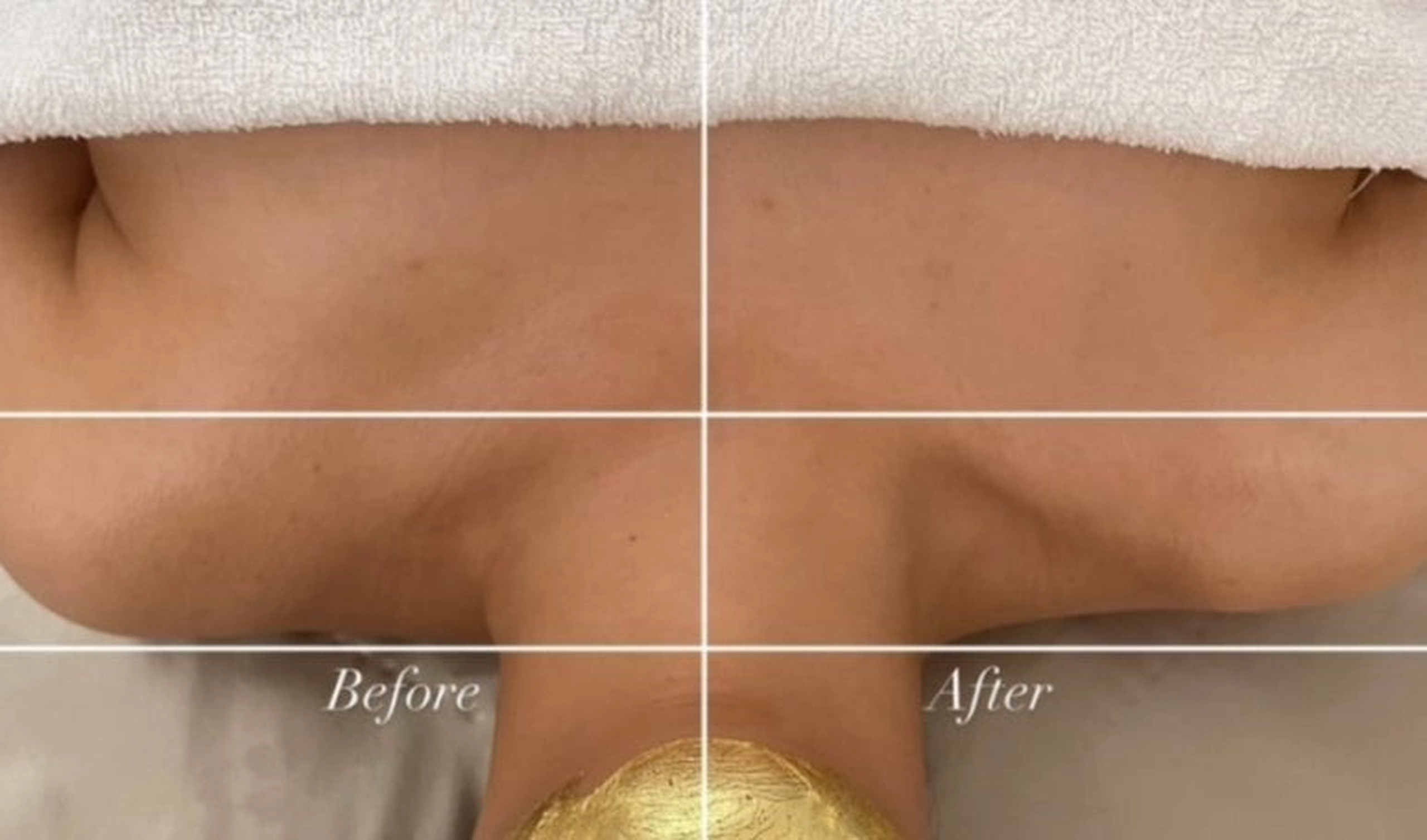
At Meccrom, strong pressure isn’t the standard for a good session. The same pressure may feel comfortable to one person while making another hold their breath or tense the neck and shoulders. One client who usually preferred strong massage became more tense at first. As we lowered the pressure, her breathing and body gradually relaxed.
"It wasn’t just heavy pressure. The massage felt gentle, detailed, and properly adjusted to me." (Meccrom Seongsu client review)
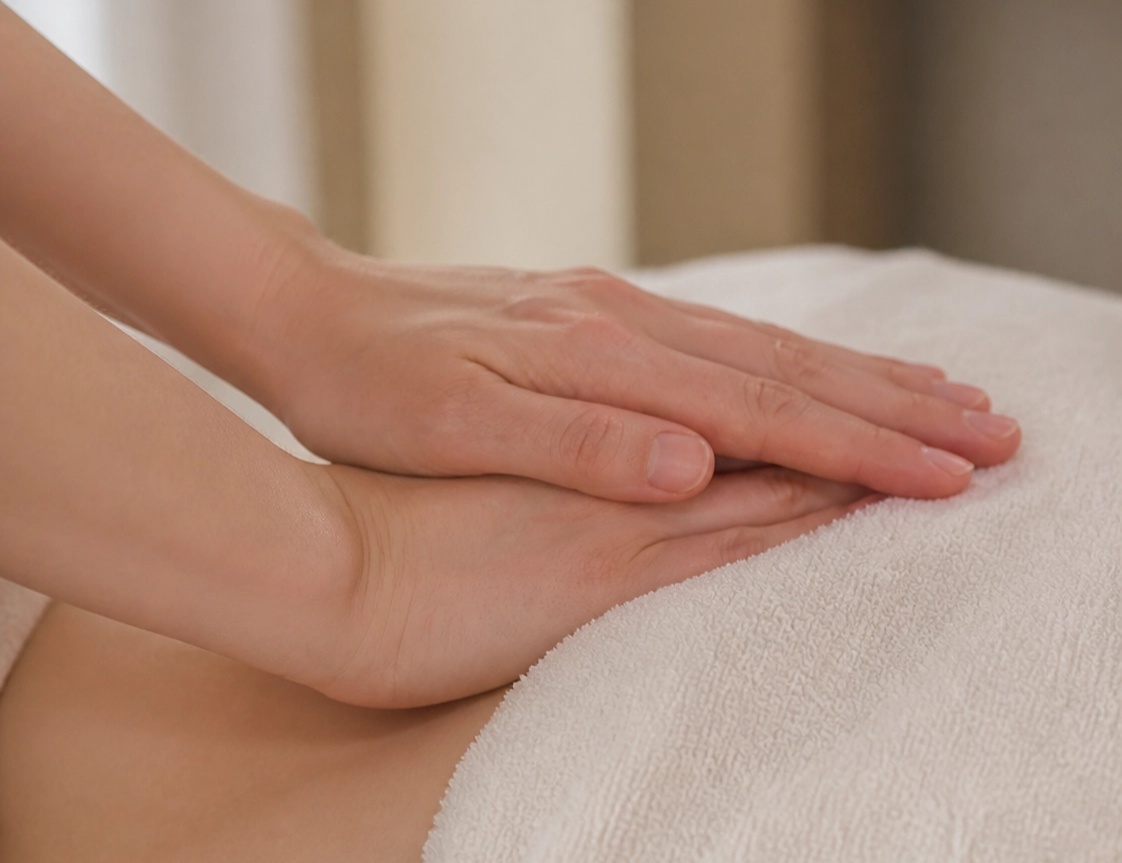
Many places describe their lymphatic massage as gentle. At Meccrom, we first ask where you feel uncomfortable and what your daily habits look like. We then watch how your body responds and adjust the pressure and session area. Some sessions use only hands-on techniques and others may include a device, but the esthetician still decides where to work, in which direction, and how much movement to use.
If you are considering Meccrom Seongsu but do not know which appointment fits, start with our facial and bodywork service guide.
To see how one client described a session that combined warmth with hands-on work, read this Incheon upper arm care review.
A spa lymphatic massage does not diagnose or treat disease. If you have unusual symptoms or need massage for a medical condition, speak with your healthcare team before booking.