Do your cheeks feel hot after washing your face, or turn red as soon as you step into a warm room? Even if you cover the redness with makeup, seeing it show through again by the afternoon can be frustrating. Facial redness happens when blood vessels beneath the skin widen. The triggers vary from person to person, so understanding what makes your face red is where care begins.
Today, I’ll walk you through seven causes of facial redness, why men experience it, and how to work out what may be triggering yours.
I’m Shin In-ok, director of Meccrom Incheon Namdong. I’ve spent 17 years in Incheon caring for sensitive skin, with a particular focus on facial redness. After helping clients with these concerns for so many years, it’s the area I feel most confident working with.
Facial redness you’ve always had vs. redness that develops later
Facial redness can involve a sudden feeling of heat and flushing across the face, neck, and upper chest. Facial skin is thin and has many blood vessels, so even a small change in how wide those vessels are can show on the surface. In my approach to care, I think of redness-prone skin as "skin that’s unwell." During consultations, I first consider two broad patterns.
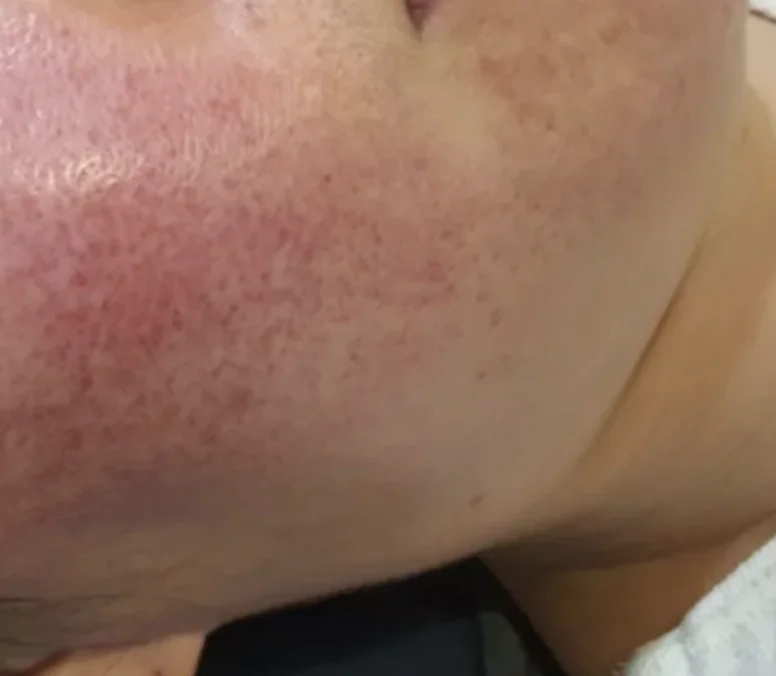
- Redness you’ve always been prone to: Your skin is naturally very thin, allowing blood vessels to show through.
- Redness that develops later: Skin that was previously healthy becomes thinner after a particular trigger or change, making blood vessels more visible.
In my approach to the second pattern, I start by looking at the skin barrier. As the barrier becomes impaired and the skin loses moisture, it can become thinner and feel hot even after a small irritation. That heat can leave it drier still. Simply cooling the surface may not keep the redness from returning, so I look for what made the skin thinner in the first place.
Seven common causes of facial redness
1. Sudden temperature changes and heat
Saunas, hot baths, and exercise that makes you sweat raise your body temperature and widen facial blood vessels. The contrast between cold outdoor air and warm indoor spaces can also make redness worse in winter.
2. Alcohol and spicy or hot food
Substances produced as your body breaks down alcohol can widen blood vessels and make your face red. Spicy or hot food and drinks can also trigger flushing.
3. Stress and nervousness
When you’re nervous or embarrassed, your autonomic nervous system can cause blood vessels to widen, making your face feel hot. Worrying about turning red may make the flushing worse.
4. Hormonal changes around menopause
If you start having sudden facial warmth and sweating in your mid-to-late forties or later, changes around menopause may be involved. According to Seoul National University Hospital, about 60% of women going through menopause experience this kind of flushing.
5. Medication you’re taking
Some blood pressure medicines, cholesterol-lowering medicines, and medicines for erectile dysfunction can widen blood vessels and cause flushing. Make a note if the redness started around the time you began a medicine, but don’t stop prescribed medication on your own.
6. Skin conditions such as rosacea
Redness around the cheeks and nose that doesn’t settle may be related to a skin condition such as rosacea. Redness can also remain after acne or seborrheic dermatitis.
7. Too many procedures or irritating skin care
Exfoliating pads, scrubs, rubbing hard while cleansing, and closely spaced laser procedures or peels without considering your skin’s condition can leave it thinner and more sensitive. Overdoing procedures may worsen redness, so it’s important to understand how your skin is doing before having more.
Habitual use of steroid creams and long periods in the sun can also play a part. That’s why I always ask about cleansing habits and recent procedures during a consultation.
One client came to me because a hot, stinging sensation hadn’t settled after a laser procedure at another clinic. After hands-on care to ease the heat, without devices or peels, the client told me, "It’s not only my face. I finally feel like I can get on with my life again."
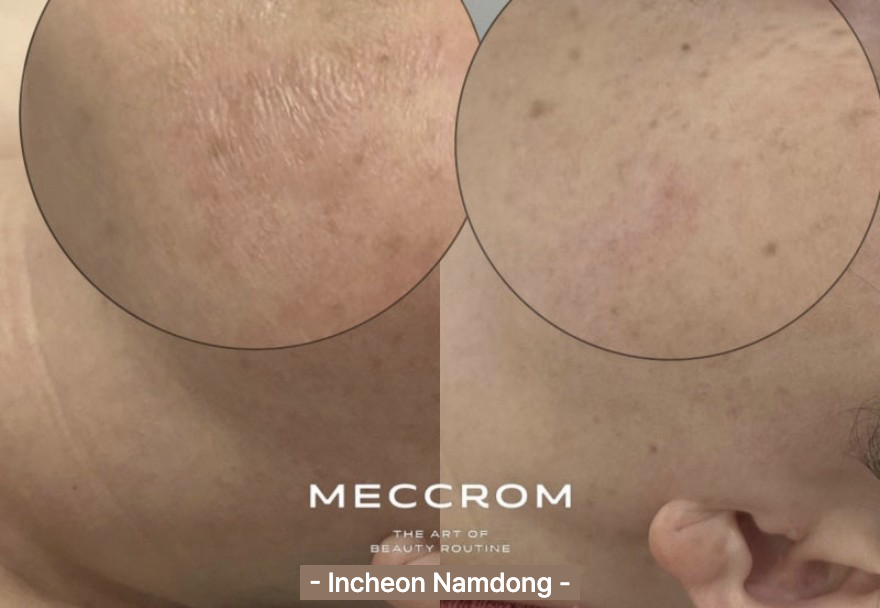
Are the causes of facial redness different for men?
The same seven causes apply. Facial flushing is reported to be common among middle-aged men and people who spend a lot of time outdoors. If drinking alcohol makes you turn red especially quickly, try cutting back on spicy, salty food you eat alongside it.
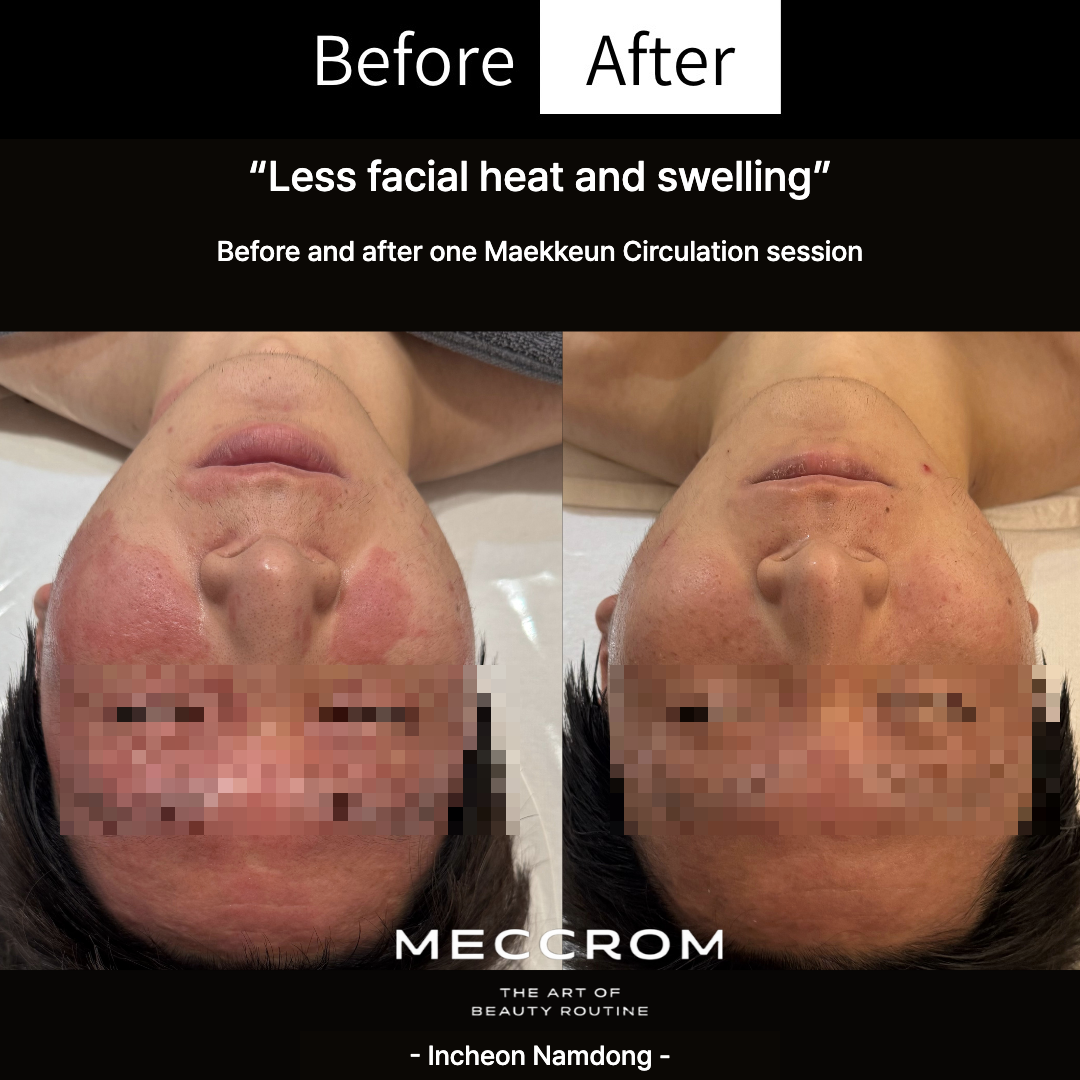
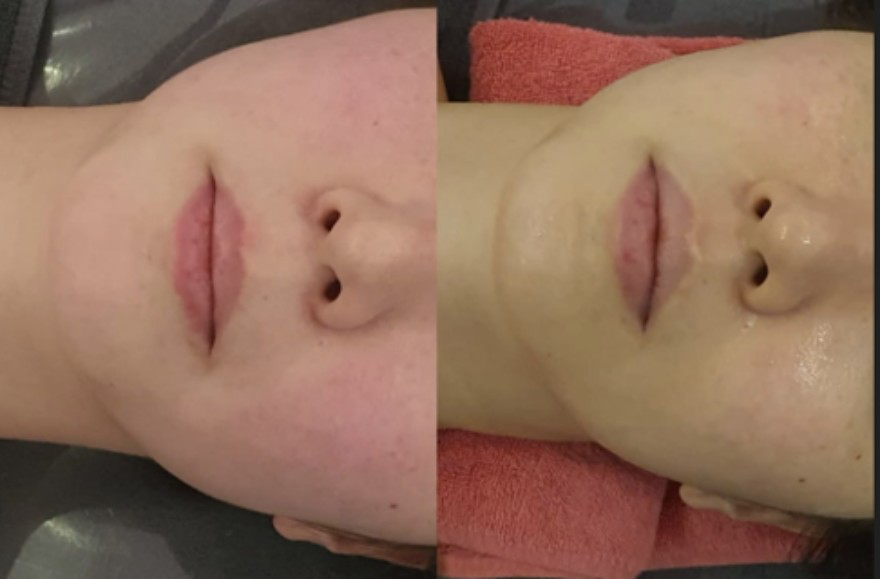
Certain conditions and medicines can also be involved. One male client came to me after facial redness and heat had become worse while he was taking medicine for atopic dermatitis. The photos below were taken on the day of his first Maekkeun Circulation session.
How to identify your own redness triggers
For about two weeks, make a note each time your face becomes red. Tracking the circumstances can help you understand what to change.
- When: In the morning, after a meal, or at night
- What happened beforehand: Alcohol, spicy food, a sauna, exercise, stress, or a new skin care product
- How long it lasted: A few minutes or all day
- Recent changes: A new medicine, a procedure, or a different cleanser
Four stages I consider during a consultation
These aren’t medical classifications. They’re the descriptions we use to help decide how to approach care for redness.
- Stage 1: Redness is visible.
- Stage 2: Once the skin feels hot, the heat takes a long time to settle and feels like burning.
- Stage 3: The skin often feels hot and stings.
- Stage 4: These symptoms have continued for more than six months.
If redness doesn’t settle, visible vessels or inflammation keep returning, or the symptoms seem related to a medicine, speak with a dermatologist or the doctor who prescribed it first.
How care changes with the cause of redness
If everyday habits trigger your redness, start by reducing those triggers. I advise clients against trying to cool a hot face abruptly with ice or cold water. My view is that because the body regulates its own temperature, forcing it to cool can lead to more heat. At home, I ask clients to avoid the following.
What to watch out for at home
- Water temperature: Wash with lukewarm water. Very hot or cold water can irritate blood vessels.
- Chilled products and cooling devices: Don’t use refrigerated face masks, chilled soothing gels, or cooling devices.
- Over-cleansing: Avoid scrubs and excessive double cleansing.
- Creams and ointments: Don’t apply medicated creams out of habit. Use prescribed medicines as directed.
How we approach care at the studio
At Meccrom, we call thin, sensitive skin, including skin with redness that developed later, "skin that’s unwell." At first, I work only with my hands, without devices or peels.
- Less friction: We minimize rubbing throughout every step that touches the skin.
- Easing heat: We work gently with the skin’s texture to help ease the feeling of trapped heat, without cooling devices. We check skin temperature during and at the end of the session.
- The neck and shoulders too: We include the neck, shoulders, and décolleté rather than working only on the face. In my approach, circulation throughout the body matters too.
- Care for that day’s skin: We ask about daily habits and recent procedures, then choose the steps according to the skin’s condition that day.

We decide together how many sessions to plan after seeing how the skin responds to the first one. One client in her thirties, who had been unsure before visiting, told me afterward, "I really think I could go home without makeup." You can read about a different client’s six sessions in this facial redness care review.
If you’re unsure whether you’ve always been prone to redness or it developed later, bring your notes and come talk with us. All visits are by appointment, and every room is private.
Frequently asked questions
How can I calm facial redness?
Start by reducing triggers and avoiding further irritation. Gentle cleansing with lukewarm water, moisturizing, and daily sun protection are the basics. You’ll find more detail in our guide to reducing facial redness.
Which skin care products are good for redness?
Start by ruling out irritating ingredients. Toners high in alcohol, cooling ingredients such as menthol and camphor, strong cleansers, and scrubs may irritate the skin, according to the American Academy of Dermatology. Try a new product beside your jaw for a few days before applying it more widely.